The Millennial's Doctor Releases a Handbook on Bodies

Radiologist and Atlantic editor James Hamblin provides the answers we’d hear “If Our Bodies Could Talk”

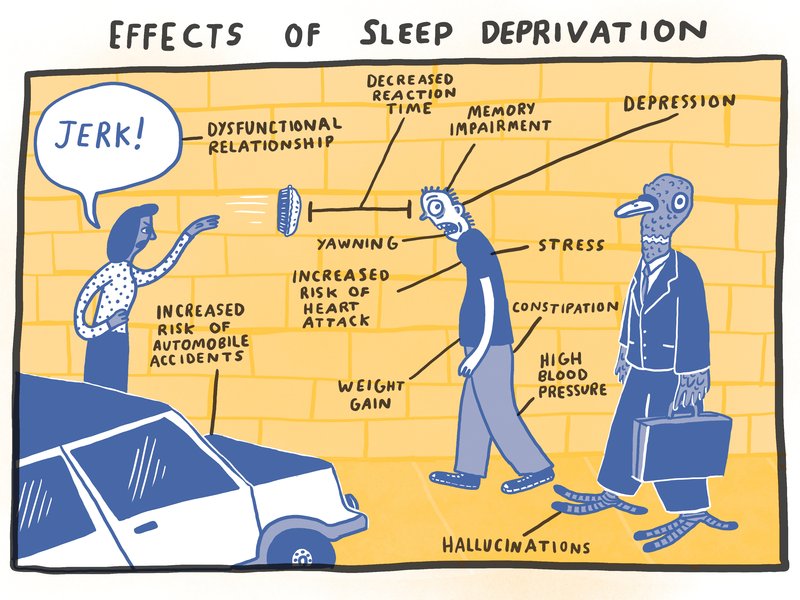
Hamblin's new book uses illustrations to help explain how the human body works—and sometimes doesn't work. (Hallie Bateman / Doubleday)

By Ben Panko

If millennials elected their own doctor, James Hamblin would make a good candidate for the position.

He does improv comedy. He has a YouTube series. He tweets frequently. He lives in Brooklyn. Recently, the former radiologist and current Atlantic senior editor has garnered attention for his series of quirky videos on medical topics that concern the average person, ranging from the health benefits of wine to whether you actually need to shower every day, as well as articles on more serious topics such as the dangers of SPF ratings and how rising incarceration rates can help spread disease.

So why would this digital maven decide to collect his wisdom in an old-fashioned book?

Hamblin believes that many people would enjoy reading about anatomy and physiology, if only they could find a book on the topic that wasn’t written for medical professionals. "I've long had this idea of doing an accessible, interesting textbook," he says. One of his inspirations was coming across the 2005 book Why Do Men Have Nipples? Hundreds of Questions You'd Only Ask a Doctor After Your Third Martini early last year. Hamblin's book, coming out next week from Doubleday, offers thorough and updated answers to the nipple question and more. Its title, inspired by the name of his YouTube series, is If Our Bodies Could Talk: A Guide to Operating and Maintaining the Human Body.

The book, excerpted in the January/February issue of The Atlantic, does more than answer questions about food and sex, however. Hamblin draws on his journalistic skills, interviewing hundreds of doctors and scientists, and weaving thought-provoking stories such as the saga of Beth Usher, who had half her brain removed to prevent seizures by former surgeon and Secretary of Housing and Urban Development nominee Ben Carson. "She just has an amazing story and was an inspiring person to meet and get to know," Hamblin says.

How accidentally swallowing one's tongue ring could kill a person. (Hallie Bateman / Doubleday)

Hamblin is part of the newest generation of "popular doctors"—a category that hasn’t always been painted in a flattering light. Dr. Mehmet Oz, the cardiac surgeon who charmed Oprah and millions of TV viewers, has faced intense criticism for "relying on flimsy or incomplete data, distorting the results, and wielding his vast influence in ways that threaten the health of anyone who watches the show," as Michael Specter wrote in a 2013 New Yorker profile. Among other things, Oz has been critiqued for endorsing medical products and offering medical advice of questionable efficacy.

For his part, Hamblin says that his book isn’t aiming to give you all the answers. While he does respond to many common medical questions in his book, he says he ultimately wants to help people think logically about the "deluge of information" on health issues that they confront in their everyday life through television, the Internet and social media. Ideally, they’ll come away with more confidence distinguishing between fake science and real science.

"We have so much information," Hamblin says, "that the best thing you can do right now for a person is equip with them some kind of framework for understanding how science works."    

This article originally appeared on smithsonianmag.com and was written by Ben Panko.

How Massage Helps Heal Muscles and Relieve Pain

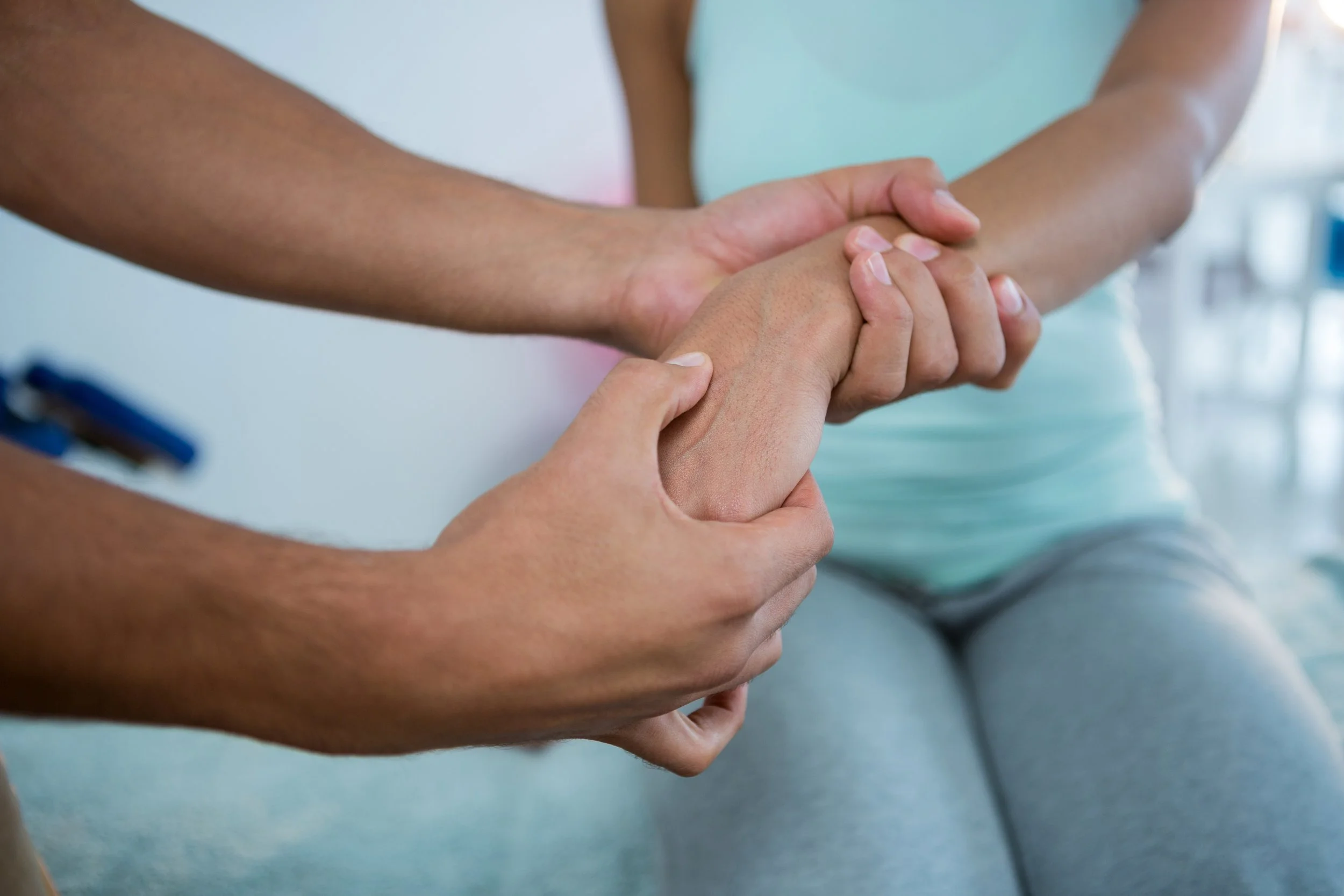
The word massage alone elicits deep relaxation and stress relief, and now a new study sheds light on how deep touch works to ease pain and promote healing in sore muscles.

Researchers at McMaster University in Canada found that massage affects the activity of certain genes, directly reducing inflammation in muscles — the same result you’d get by taking aspirin or ibuprofen — and boosting their ability to recover from exercise.

The study involved 11 young men who were willing to engage in what the researchers described as “exhaustive aerobic exercise” — the equivalent of an intense spinning class. The men rode stationary bikes to the point of exhaustion.

After the workout, each man received a 10-minute Swedish-style massage on only one leg; the other leg served as the control. They also had biopsies taken from their leg muscles before and after exercise, immediately after massage and then again two and a half hours later.

MORE: Aching Back? Try Massage for Chronic Pain

Researchers found that massage set off a series of molecular events in muscles that helped reverse discomfort related to exercise. Massage dampened the activity of proteins known as inflammatory cytokines, which cause inflammation and pain. It also increased levels of proteins that signal the muscles to produce more mitochondria, the cell structures that produce energy and help muscles recover from activity.

Tiffany Field, a leading researcher on the effects of massage and director of the Touch Research Institute at the University of Miami Medical School, says she found the results “very believable.” She was not associated with the new research. (Field notes that her group is planning to study the effect of massage on some of the same inflammatory cytokines in HIV-positive pregnant women.)

Massage basically has the same pain-relieving effect as drugs like aspirin, ibuprofen (Advil) and naproxen (Aleve), says Field. Known as NSAIDS, for nonsteroidal anti-inflammatory drugs, these medications work by reducing levels of substances called prostaglandins that increase levels of inflammatory cytokines. “By reducing the inflammation — or the pro-inflammatory cytokines, to be specific — you would reduce pain,” says Field.

Mainstream medicine has often dismissed massage as a bona fide therapy, but “these findings will have an impact on traditional medicine, as every ‘beneath-the-skin’ finding helps,” says Field.

The study was published in Science Translational Medicine.

This article originally appeared on healthland.time.com and was written by Maia Szalavitz

The Science of Yoga - What Research Reveals

In a world that demands substantive clinical research evidence to support different approaches to health care, yoga is gaining attention. Despite rapid advances in medical technology and continuing pharmaceutical research into using medication to relieve symptoms, in the past few years we have seen a significant growth in research addressing the impact of yoga on health and wellbeing.

To mark World Yoga Day on Sunday, we have collected some of the latest research into yoga in a virtual special issue.

Yoga is an ancient practice; it has been associated with cultural, religious and physical activity for more than 2,000 years. Its practitioners have asserted its effect on balancing emotional, physical and spiritual health for decades, but only recently has there been a move to substantiate these claims through research. So far, the result has been definitive, significant evidence of the broad-ranging benefits of yoga, both as a treatment and as a preventative form of medicine and health care.

The health benefits of yoga

In this technological age, health care paradoxes abound. Computerization, designed to facilitate daily life, carries with it a demand to be externally connected to events at all times. In doing so, paradoxically, we become alienated from reflecting personally upon body, mind and spirit. Use of pharmacological medication can assuage some of our symptoms, but this approach can also mean that we can carry on as normal with our busy lives, reducing our ability to monitor and focus on our personal health and wellbeing.

At a time when technology and drugs dominate the way we live our lives, it is refreshing that yoga not only persists but that researchers are taking the time to explore exactly how this practice can help us. In a climate focusing upon evidence-based medicine, it is important to be able to substantiate clinical claims made for any therapy, and yoga is no exception. We need to know who would benefit from a therapy, contraindications of use and the extent to which specific medical issues that can be ameliorated by a particular therapy.

Journals like Complementary Therapies in Clinical Practice frequently publish research on yoga. Recent papers have focused on practicing yoga to reduce essential hypertension and anxiety during pregnancy, its effect on regulating heart rhythm, the connection between yoga and changes in brain wave activity, the improvement of core stability and balance, and relief of post-partum depression.

Highlights of the special issue

To assess the potential of yoga poses for training and rehabilitation, the authors of this study examined the muscle activation patterns in selected trunk and hip muscles. Before this figure, they explain: "In the Downward facing dog pose ( Fig. 2a), the EOA showed significantly higher activity than RAU and RAL (p < .018). In the Upward facing dog pose ( Fig. 2b), the LT and EOA produced significantly higher muscle activities than RAU and RAL (p < .019). In the High plank pose ( Fig. 2c), the EOA produced significantly greater electrical activity than all other muscles (p < .001). In the Low plank pose ( Fig. 2d), the EOA produced significantly higher activity level than RAU, RAL and GM (p < .001)." (Source: Meng Ni et al, "Core muscle function during specific yoga poses," Complementary Therapies in Medicine, February 2014)

We have selected papers that give us an insight into the health benefits of yoga, reflecting the growing evidence-based research into this practice. It seems apparent that yoga may provide broad ranging healthcare benefits for mind and body. It may be practiced to maintain health, reduce particular symptoms, commonly associated with skeletal pain, and assisting in pain relief and enhancing emotional wellbeing.

In her review, Dr. Tiffany Field, Director of the Touch Research Institute at the University of Miami, provides a fascinating overview of the effect of yoga on anxiety and depression, pain, cardiovascular, autoimmune and immune conditions and on pregnancy.

In research looking more closely at the effect of yoga on anxiety, Dr. M. Javnbakht and colleagues from the Psychiatry Department of Islamic Azad University in Iran showed that participating in a two-month yoga class can significantly reduce anxiety in women with anxiety disorders. In their paper published in Complementary Therapies in Clinical Practice, the researchers say this “suggests that yoga can be considered as a complementary therapy or an alternative method for medical therapy in the treatment of anxiety disorders.”

Another study, published in Complementary Therapies in Medicine, examined the effect of yoga on lower back pain. Dr. Padmini Tekur and colleagues from the Division of Yoga & Life Sciences at the Swami Vivekananda Yoga Research Foundation (SVYASA) in India carried out a seven-day randomized control trial at a holistic health center in Bangalore, India, with 80 patients who have chronic lower back pain. They assigned patients to one of two groups – yoga therapy and physical therapy. Their results showed that practicing yoga is more effective than physical therapy at reducing pain, anxiety and depression, and improving spinal mobility.

Yoga also reduces stress in pregnancy, according to research published in Complementary Therapies in Clinical Practice. Svetlana Bershadsky and colleagues from the Department of Psychology and Social Behavior, University of California, Irvine tested the effect of yoga on 51 pregnant women, looking at their levels of the stress hormone cortisol and their mood before and after a yoga session.Their results showed that practicing yoga while pregnant can reduce stress, improve mood and even reduce postpartum depression symptoms.

What’s next for yoga?

Yoga challenges the “mores” of modern day life, providing us with a return to simply being, watching the world around us and an awareness of the impact of this world upon ourselves. In the prevailing Western economic system, should yoga ever become a therapy alleviating many of our illnesses, anxieties or distressing emotions, it will have a fight on its hands to become a dominant therapy. Unlike pharmaceutical medications, yoga cannot be packaged in a box or simply taken mindlessly, nor can it be marketed in huge batches to make enormous profit.

Instead, yoga offers something else: reconnecting with ourselves and learning to see ourselves, and our reactions to the world around us, from a different perspective. It takes emotional and spiritual strength to reflect inwardly and directly address personal conflicts, anxieties, hopes and fears, and understand how we respond to them. It also takes time to learn how these states of mind impact directly on physical wellbeing, and how we can change this.

Research into yoga continues to reveal the health benefits it can have, supporting the case for its use in health care. Through randomized trials, reviews and other studies, we are learning more about the effect yoga can have on different aspects of our physical and mental health. Regular yoga practice can increase our awareness about how our body actually feels, with all its aches and pains, and help us restore balance.

Yoga isn’t as simple as taking a pill, but mounting evidence suggests it’s worth the investment of time and effort. Ultimately, in order to benefit from the positive health effects of yoga, we need to be mindful of the present: this moment, now. In such a non-stop world, that, surely, has to be a good thing.

This article originally appeared on Elsevier.com and was written by Denise Rankin-Box.

Massage Helps Reduce Postpartum Anxiety

One 20-minute session of seated, slow-stroke back massage resulted in a significant decrease in anxiety among new mothers on their first postpartum day, according to recent research.

Study Overview

The study, “The effect of slow-stroke back massage on the anxiety levels of Iranian women on the first postpartum day,” involved 100 primiparous women, or first-time mothers, with normal deliveries. The women, whose average age was 22, were randomly assigned to either the massage group or the control group.

On the first postpartum day, the mothers in the massage group received 20 minutes of slow-stroke back massage. In the control group, one of the researchers stayed with each new mother in a quiet room for a period of 20 minutes.

Massage Technique Used

The massage protocol took place with the subject seated on the edge of the bed in a quiet room, and the practitioner began with hands on the subject’s shoulders and tiny circular movements of the thumbs on the upper neck. This was followed by long, smooth strokes from the base of the skull down the entire spine with alternating hands. Slow strokes down the sides of the neck, over the collarbone and shoulder blades were the next step in the routine.

Then, the practitioner’s thumbs were placed on both sides of the spine and moved down the entire length of the subject’s back several times from shoulders to waist.

Lastly, the practitioner used the palms of both hands to make long, sweeping, continuous strokes down both sides of the subject’s neck, across both shoulders and down the length of the back near the spine.

The main outcome measure for this study was anxiety, which was assessed immediately before and after the 20-minute massage or control session and again the following morning using the state portion of the State-Trait Anxiety Inventory (STAI). This 20-item questionnaire is “designed to check the status of fear, tension, unrest and anxiety feelings of individuals in the current situation and the moment,” according to the study’s authors.

Effects on Postpartum Anxiety

Results of the research revealed a significant difference in anxiety scores between the massage group and the control group immediately after the massage and also the next morning.

Among the mothers who received slow-stroke back massage, anxiety scores were significantly lower immediately after the massage and the morning after the massage, whereas no such changes were observed among the mothers in the control group.

“The findings demonstrate that slow-stroke back massage is a simple, inexpensive, noninvasive and effective method to reduce the anxiety levels of primiparous women during the first postpartum day,” stated the authors.

This article originally appeared in The Massage Magazine & was written by Fereshteh Jahdi, Maryam Mehrabadi, Forough Mortazavi and Hamid Haghani.