Powerful Diet and Lifestyle Tips to Prevent and Manage Depression

As depression affects millions worldwide, countries across the globe now have special days to foster more awareness about mental health issues. While Mental Health Days are a good place to start, is anyone raising awareness of the concrete strategies that anyone can do to prevent, manage and overcome this condition?  While some individuals may require stronger treatment methods (such as medications and psychotherapy) most should begin by addressing the many simple, yet powerful changes they can make in their diets and lifestyle.

Stats Canada and the CDC (Center for Disease Control) report that about 9% of adults 18 and older reported symptoms consistent with at least one of the following disorders: major depressive episode, bipolar disorder, generalized anxiety disorder and abuse of or dependence on alcohol, cannabis or other drugs.

Depression can be described as a state of being that includes a lack of motivation, a sense of hopelessness and a lack of energy. It can include chronic fatigue, sleep problems, alterations is appetite and loss of interest in life in general.

In mainstream medicine, most doctors only address and treat the symptoms of depression by prescribing antidepressants.  These types of medications all come with varying degrees of side effects which can be even more detrimental to the individual.

An integrated approach looks at all the contributing factors then works to correct and resolve areas that may be creating difficulty.

How You Think and Feel is Directly Affected by What You Eat

There is much evidence that the foods we eat directly influence the brains behavior.  Here’s some Food for Thought: How you think and feel is directly affected by what you eat.  This idea may seem strange but a poor diet, especially one with a lot of junk foods, is a common cause of depression.  That’s because neurotransmitters in our brain, which regulate how we behave, are controlled by what we eat and closely linked to mood.  The fact is that eating the right foods has been proven to boost IQ, improve mood and emotional stability, sharpen memory and keep your mind young.

Two of the most important aspects an individual should address if they’re suffering from depression are their diet and lifestyle.  Everything from blood sugar imbalances to food allergies and deficiencies in much needed vitamins and minerals should be considered and corrected as well as ensuring your diet is rich in fatty and amino acids as these have all been linked to low mood.

What is a Balanced Diet?

A good nutritional program consists of three parts:

  1. A good diet, without chemicals, sugars and junk food. Eating a whole food diet ensures you receive all the right nutrients such as vitamins, minerals, amino acids and EFA’s. These all support you mental, physical and emotional health.
  2.  Micronutrient support, especially the B vitamins niacin, pyridoxine (B6), B12, folic acid, vitamin C, zinc & essential fatty acids.
  3.  Other nutrients that support the production of neurotransmitter substances such as choline, and L-tyrosine which improves dopamine synthesis and 5-HTP to stimulate serotonin production.

Getting enough Vitamin D through appropriate sun exposure or in supplement form is also essential in fighting depression.  Vitamin D is actually a neuroregulatory steroidal hormone that has been found to significantly lower the presence of depressive symptoms. There is growing evidence showing that if you’re suffering from depression one of the best choices you can make is to spend as much time outdoors in the sun as possible.

Exercise

Exercise is a great way to prevent and treat depression. Studies show that regular exercise helps you feel better and improves mood and attitude towards life. Exercise can help cleanse toxins out of the body and could moderate depression. Also, exercise helps increase feel good endorphins in your brain.

Exercising 3-5 times a week for at least 45 minutes and including some form of aerobic exercise, weight training to improve strength and tone and stretching to ensure flexibility are all essential components to a balanced program.

Although this may be difficult to even consider when you’re feeling depressed, once you establish a routine it will build and help moderate your symptoms.

Lifestyle

How you live your life, interact with others, the work you do and the stresses in your life all have an impact on you mental health and need to be addressed and modified. Keep a positive attitude towards life. Look at challenges as opportunities to improve your well being. Create a regular exercise program and learn ways to talk about your feelings and frustrations with friends or loved ones.

Other possible causes of Depression

Many drugs can cause mild to moderate levels of depression; these include blood pressure medications, estrogens in birth control pills, steroids and antianxiety drugs. Although alcohol can make you feel good initially it is actually a depressant and if you suffer with depression you should absolutely minimize or avoid consumption.

Hormonal imbalances such as low testosterone or menopausal imbalances are also factors in causing depression.

A hidden problem that many individuals suffer from is unbalanced thyroid, in particular hypothyroidism which, often goes undiagnosed and untreated.  Thyroid problems can have a definite impact on your mood.

As mentioned above food allergies can produce and aggravate depression. For this reason it’s critical to isolate and eliminate food allergies. Avoiding or better yet, eliminating all sugars, refined foods and chemicals found in those foods helps many people with poor moods and depression.

Empower Yourself with an Integrated Approach to Mental Health

If you or someone you know is plagued with depression there are many ways to help prevent and control this condition using natural alternatives or in conjunction with medical therapy.

Keep a positive attitude, exercise, address your diet and nutritional intake, supplement with a good quality multi-vitamin and mineral formula, avoid foods that are toxic to your body and don’t forget to exercise regularly.

Regular Exercise and Massage Manipulations Offer Positive Health Effects

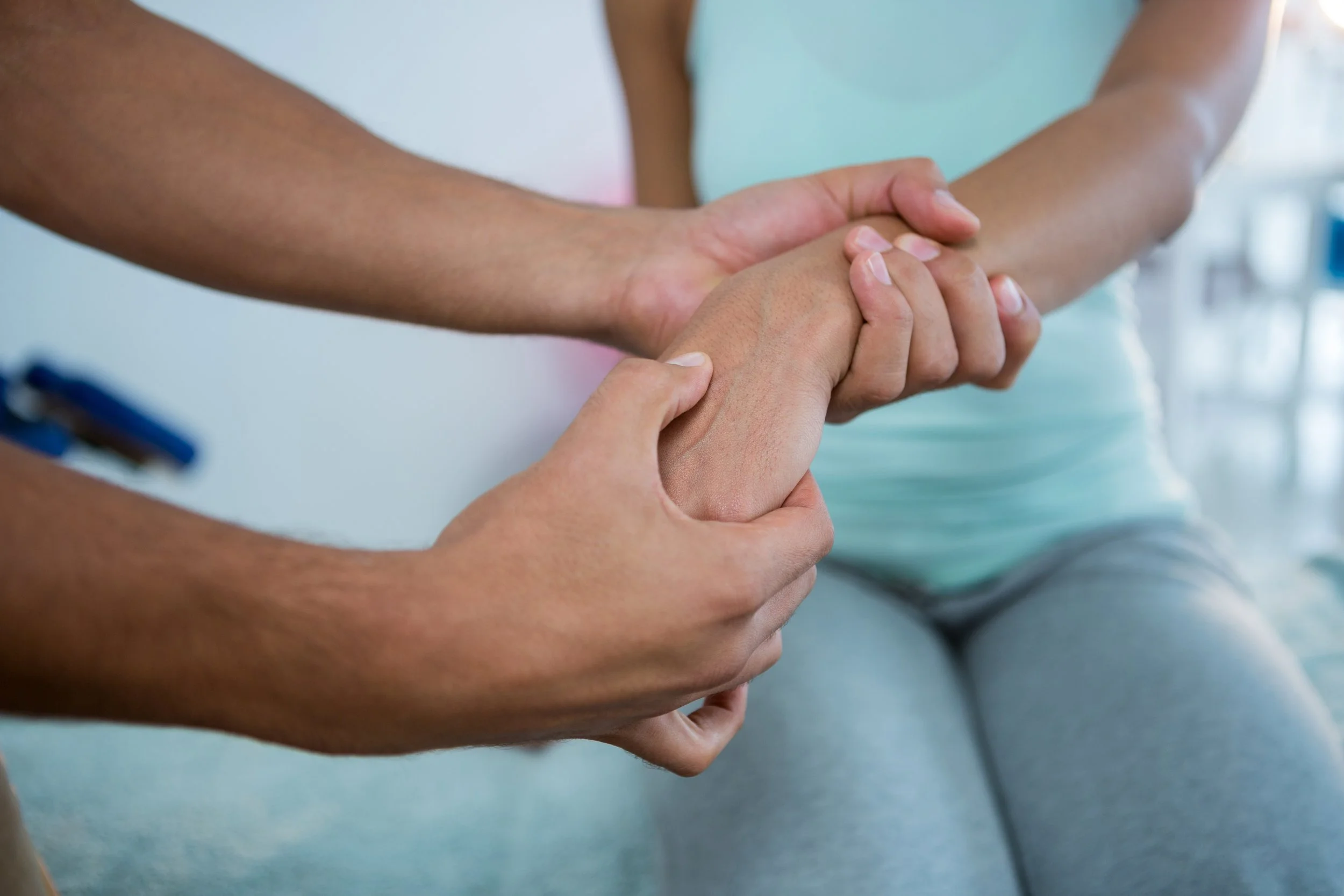
A group of sedentary women experienced positive health effects after participating in regular exercise and massage manipulations. The study, “The effect of regular exercise and massage on oxidant and antioxidant parameters” included 25 sedentary women, ages 32 to 50 years old.

Oxidative stress involves oxidant-antioxidant imbalance, and is known to cause cardiovascular disease, as well as cell and DNA damage. Studies have been conducted involving the effect of acute exercise on oxidative stress, but there haven’t been any studies regarding the effect of a combination of regular exercise and massage on oxidant and antioxidant activity.

Since massage is a popular treatment method used to prevent fatigue from intense muscular activity and muscle damage, researchers chose to incorporate both exercise and massage. The study’s authors stated, “this experimental study aimed to determine the effects of the combined application of regular exercises and massage on the values of malondialdehyde (MDA), nitric oxide (NOx), glutathione (GSH), adenosine deaminase (ADA) and superoxide dismutase (SOD).”

Participants were randomly divided into three groups: the control group, exercise group and massage and exercise group. 

The control group (CG) avoided any form of exercise or supplement that may affect oxidant- antioxidant status. Exercise group (EG) participants exercised on a treadmill for 45 minutes at 50 percent overloading rate, and were monitored and motivated by two trainers. The massage and exercise group (MEG) participants participated in the same exercises as the EG and received massage therapy, consisting of effleurage and petrissage massage manipulation, for 20 minutes after exercise. During the 12-week study, all exercise and massage sessions occurred from 8:30 to 11:30 a.m. on Monday, Wednesday and Friday.

Participants’ blood samples were taken before and one day after the 12-week exercise and massage protocol. Post-test analysis concluded a decrease of MDA in both the EG and MEG participants. Compared to the control group, EG and MEG participants reflected a significant increase in GSH and SOD values. Data suggests a combination of regular exercise and massage manipulations may positively affect oxidative stress.

According to the study’s authors, “The findings show that regular physical activities and massage manipulations significantly decrease MDA, increase SOD and GSH activities, and result in no change in NOx and ADA activities; [which] supports the assumption that regular physical activity has positive health effects.” The authors also pointed out that further studies should be conducted to support these findings, and should be conducted especially regarding massage’s effect on oxidant and antioxidant balance.

- See more at: http://www.massagemag.com/regular-exercise-and-massage-manipulations-offer-positive-health-effects-27193/#sthash.5l7T0TNJ.dpuf
Written by Aysun Bay Karabulut, M. Emin Kafkas, Armagan Sahin Kafkas, Yunus Önal and Tugba Rabia Kiran


The Pull of a Tight Psoas Muscle

The pull of a tight psoas muscle can take many forms and changes considerably as the muscle gets tighter. We’ll start by looking at what a well aligned psoas muscle can do for the body.

The psoas muscle, with the piriformis and gluteus maximus, are the only three muscles in the body that connect the legs to the spine. Together they essentially keep the pelvis and trunk upright on top of the legs. When you have a tight psoas muscle it is often on one side. In many instances both psoas can be tight but most often we are dealing with tightness on one side.

If the psoas muscle is happy it keeps the lumbar spine in its natural curve and allows the muscles of the spine to lengthen up supporting the whole trunk. But lets say that on the left side you have a tight psoas muscle, that leg bone will be pulled up into the hip socket slightly. This accounts for the concept of leg length discrepancy. We all have one leg shorter than the other and this is almost always the result of your tight psoas muscle. In some cases there might actually be a bone size difference, especially in the case of blunt force trauma such as car accidents and such. But for the most part our leg length discrepancy is due to a tight psoas muscle.

The pull of the tight psoas muscle that you can see in the picture above is a fairly classic pattern. I know that at any of my workshops I’ll be able to bring numerous people to the front of the room that exhibit this exact pattern.

And this pattern can be the cause of a many different manifestations of pain. Lower back pain, hip pain, groin pain and the list goes on. Releasing the psoas via exercises and posture work can help you find relief that we often think is no longer available.

When one psoas is tighter than the other, the leg is pulled up into the hip socket on the tight side and since one of the basic functions of the psoas is external rotation, that leg is often turned out more than the other.

In the trunk the image above shows that a tight psoas muscle can shorten the body on the tight side. This tightness manifests by a pulling up on the hip socket and a pulling down on the shoulder drawing the two bony landmarks closer to each other.

This is a little counter-intuitive because you might be thinking that if the right hip is higher the right shoulder should be higher as well but the tight psoas constricts that entire side of the body.

This is just one variation on the pull of a tight psoas. More severe tightness can lead to scoliosis and in extreme cases a hunchback.

Gentle release work that almost anyone can do can help you find relief from so many nagging issues that go undiagnosed and often leave you without any hope of healing because doctors, MRI’s and x-rays often report that seems to be no problem.


Article originally appeared on corewalking.com and is written by Jonathan FitzGordon.

Acupuncture: Treating sexual health issues

Acupuncture is a scientifically proven treatment for a variety of health issues, including sexual health related concerns. It has been used with and without Chinese herbs to address health and sexual functioning concerns for over 5,000 years. By using very fine needles in key points on the skin, the overall sexual health of either a man or a woman can be greatly enhanced. This includes the improvement of sexual performance and libido (sex drive). In addition, acupuncture also addresses underlying causes that may contribute to sexual health issues such as: menopause, psychological challenges, drug interactions, weight fluctuation, hormonal imbalances and more.

Acupuncture is an effective tool for treating the whole person through physical, mental and emotional aspects. It has low risks and few side effects and results are typically seen within a short time; however, treatment times are dependent upon how severe imbalances are within the body.

Acupressure

Acupressure uses a less invasive approach by using the same diagnostic tools and points but omits needles by using pressure through massage. It is typically done using your fingers, knuckles, elbows and even vibrators; which help to stimulate blood flow in a more intensive manner. Acupressure can also be used by patients in-between acupuncture appointments for continuous stimulation.

Using vibrators on acupressure points

By using a small bullet style vibrator or massager, one can improve the amount of stimulation that they receive during acupressure. The advantage to using a smaller vibrator is that they allow you to have more pinpoint accuracy in stimulating the specific point that you wish to treat. A helpful guide on how to choose the right vibrator for you, including information on what to avoid, such as phthalates (a toxin in plastics) can be found here:

http://www.holisticwisdom.com

How acupuncture addresses sexual performance issues

Acupuncture provides balance to the body by correcting any disruption of energy flow in the body, which is known as Qi (Chi). When addressing a decrease in sexual performance and libido, the organs that are typically treated are the kidney and heart, along with any other possible contributors that create imbalance within the body.

An acupuncturist uses diagnostic tools along with discussing symptoms to determine where imbalances are focused. Pulse and tongue diagnosis are the most common ways for an acupuncturist to examine a patient. Acupuncture goes beyond the traditional pulse checks that Western medicine uses by examining twenty-seven pulse states through nine positions. These pulse positions provide information about how well the organs in the body are functioning as well as the overall health of the patient. The tongue is also examined to determine one's overall health and organ functioning and is checked for color, shape, moisture, coating, cracks and more.

Acupuncture and acupressure are the most common treatments, but other techniques, such as moxibustion, cupping and electroacupuncture, can also be used along with Chinese herbs. Treatments are geared toward relaxing the mind to decrease stress, balance hormone levels and increase circulation for proper blood flow to the sexual organs. Such treatments improve sexual functioning by helping men to increase their performance through enhancing erections, ejaculation and longevity while helping women to increase sex drive, lubrication and the ability to have satisfying orgasms.

Beyond improving sex drive

In addition to boosting the sex drive, here are a variety of sexual issues that can be addressed through acupuncture:

• Erectile Dysfunction
• Infertility
• Menopause: In Women & Men
• Prostate Issues
• Premature Ejaculation
• Sexual Aversion Disorder
• Decreased Sperm Mobility
• Female Sexual Arousal Disorder
• Female Sexual Dysfunction
• Hypoactive Sexual Desire Disorder
• Vaginismus
• STD Outbreaks

Acupuncture and acupressure are wonderful alternative methods to use when addressing sexual health concerns, as they go beyond just treating symptoms and focus on the root of the problem.


Learn more: http://www.naturalnews.com/041762_acupuncture_sexual_health_alternative_treatment.html#ixzz3sUBQ8in3