Non-Invasive Manual Osteopathy Relieves Low Back Pain

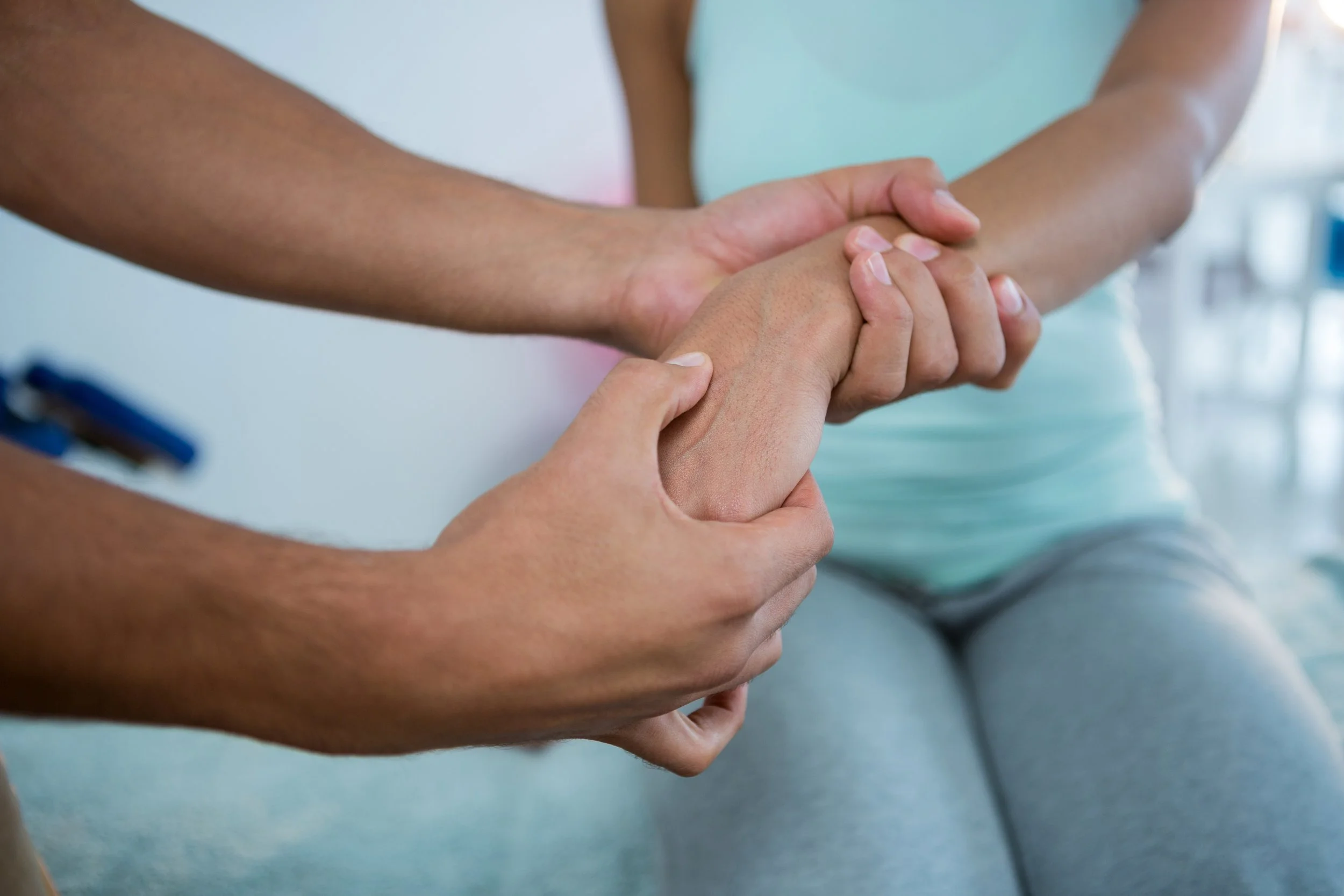
Researchers from the University of North Texas have determined that non-invasive osteopathic manual therapy will reduce low back pain in a majority of cases – avoiding expensive and invasive back surgery.

The University of North Texas researchers and Texas College of Osteopathic Medicine researchers conducted their research on 455 patients – 269 (59%) with back pain with low severity and 186 (41%) with severe low back pain.

The researchers performed their treatment research with randomization and double-blindedness using what is referred to as “sham-control.” “Sham control” refers to treatments that appear to be the same as the studied treatment but are not the prescribed treatment. In other words, they appear to be the treatment but they are not.

The researchers oversaw the treatment of the back pain patients over eight weeks of therapy, and then assessed the outcomes of the treatments after twelve weeks.

The patients were treated six times per week with Osteopathic Manual Treatment – also referred to as biomechnical treatment.

At the assessment most of the patients reported substantial improvement in pain reduction and back functioning for their particular movements. The majority of patients reported at least 50% or more reduction in pain.

Those with severe back pain had more than double the chance of significant improvement after treatment with Osteopathic Manual Therapy than those who were treated with sham treatment. And those treated with OMT had 80% chance of significant improvement on the standardized Roland-Morris Disability Questionnaire – which qualifies the mobility of the patient – as compared to those treated with the sham (placebo) therapy.

The researchers concluded that:

“The large effect size for Osteopathic Manual Therapy in providing substantial pain reduction in patients with chronic Low Back Pain of high severity was associated with clinically important improvement in back-specific functioning. Thus, Osteopathic Manual Therapy may be an attractive option in such patients before proceeding to more invasive and costly treatments.”

Osteopathic manual therapy utilizes the patient’s own relative muscle strength to help align, balance and strengthen those muscles and ligaments that support the spinal column. While most conventional medical treatments focus upon the spinal column and nerves in an isolated manner, often requiring expensive surgeries that often fail, osteopathic manual therapy utilizes safe and non-invasive guided treatments that allow the spinal region to reposition itself, rendering greater support for the lumbar region.

This article originally appeared on realnatural.org and is written by Case Adams.

Year End Benefits - Book Now

If you have coverage for Massage Therapy, Manual Osteopathy, Acupuncture, Reflexology, Kinesiology or Yoga Therapy your benefit plan is likely coming to an end December 31st. If any remaining balance in your benefits are not used they will not carry over in to the next year. If you have insurance benefits that help you improve and maintain your health, why not take advantage of your plan?

To book your appointment please call us at 780-756-5265 or to book online visit www.resetwellness.ca

Boost Heart Health With Yoga

Yogis know the poses that “open” the heart, but did you know that regular practice can also help protect your ticker over the long term?


In honor of National Wear Red Day, the American Heart Association’s campaign to raise awareness of heart disease (the#1 killer of women), here are 5 ways that yoga keeps your heart going strong.

And don’t forget to wear red yoga pants on Friday to spread the word!

1. Love how you feel after class? That’s your stress melting away.

Stress may affect behaviors and factors that are proven to increase heart disease risk: high blood pressure and cholesterol levels, smoking, physical inactivity and overeating, according to the American Heart Association. Chronic stress may also cause some people to drink too much alcohol, which can increase your blood pressure and may damage the artery walls. A regular yoga practice, on the other hand, is likely to calm you down, making you less likely to lean on caffeine, sugar, fatty foods or alcohol to “numb out,” says Hazel Patterson, Urban Zen Integrative Yoga Therapist and teacher trainer at YogaWorks in Los Angeles.

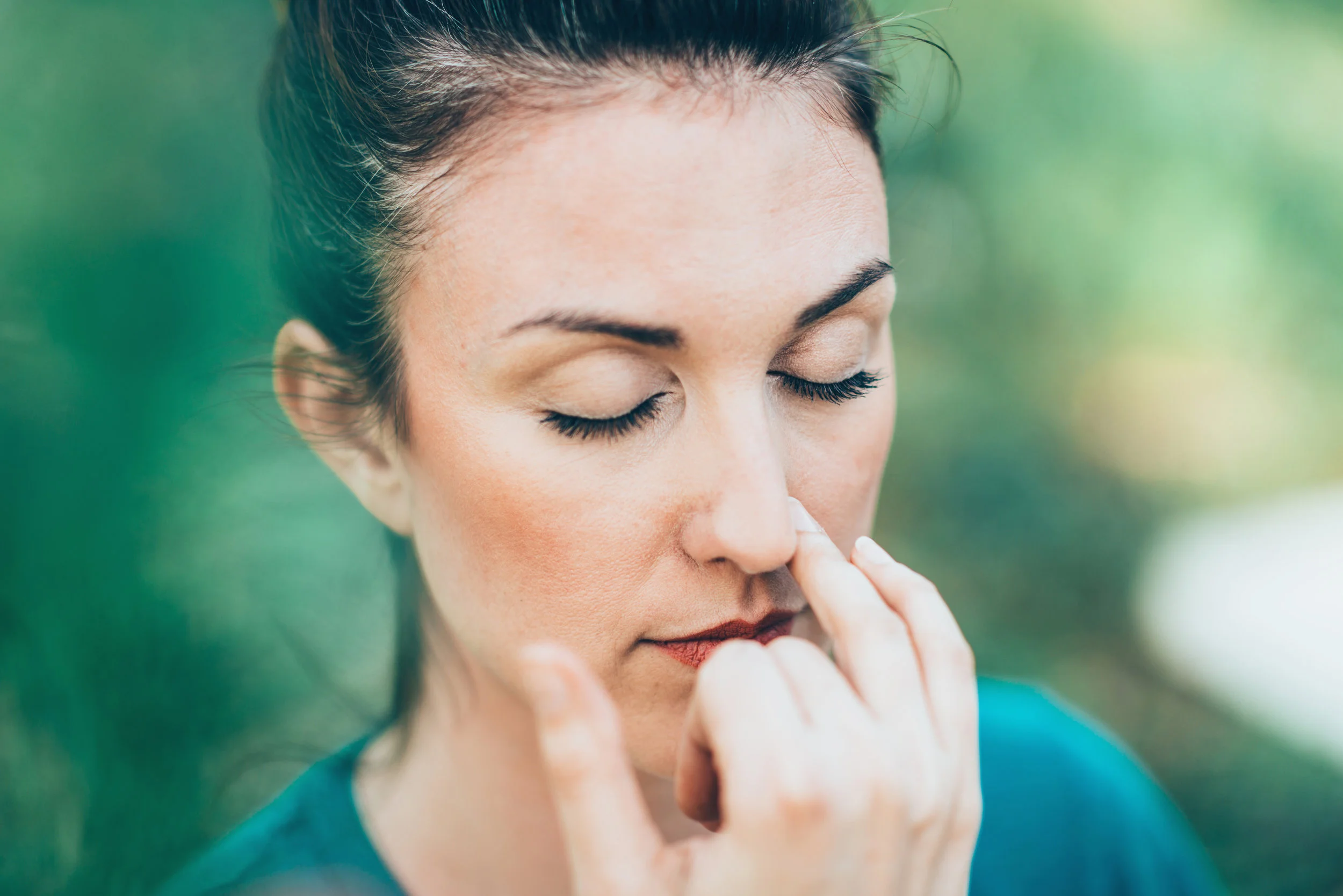
“Moving with the breath, in other words linking expanding movements with the inhales, and contracting or softening movements with the exhales, starts to create a dynamic which calms the nerves and moves that stress energy out of the body,” she explains.

For your go-to bliss-out pose, Terrence Monte, a Managing Teacher at Pure Yoga in New York City, recommends the Seated Forward Bend. To make it even more delicious, place a rolled blanket or towel under your knees, and rest your forehead on a block or other prop placed on your shins.

2. It’s a feel-good workout.

Maintaining a normal BMI (body mass index) can help your heart, according to the CDC, and regular physical activity can help you maintain a healthy weight. Yoga, Monte says, is the “best resistance workout on the planet” —meaning it’s easy on the joints and uses your own body weight to build strength. Become a fat-burning machine by building long lean muscle—Monte suggests Plank Pose as all-over strengthener that does double-duty by targeting your core and shoring up your back.

3. It blasts belly fat.

Excess abdominal fat has been linked to increased risk for heart disease. By strengthening the large muscle groups in the body, such as the gluteals and quadriceps, yoga gets your body burning more calories, meaning you are less likely to store them as fat around your middle, Patterson says. “Standing poses like Warrior II held for a little longer than the mind is comfortable with is a great way to build these powerhouse muscles,” she says.

4. It “opens” the heart.

What does it mean to “open” your heart mean anyway? “Asana is the practice of putting your body in challenging shapes. Yoga, on the other hand, is the practice of integrating what you learn on the mat with what you do off of it,” Monte explains. “As you become more mindful about your body, your breath, your language in challenging poses, you become more aware about your own perceptions (read: misperceptions) of the world.”

Rather than the obvious heart-openers (Fish, Camel, Locust ), Monte suggests a pose that’s really challenging to stay vulnerable in, like Chair Pose. “Sit as low as you can with your lumbar spine as long as possible for as long as you can. Notice how your mind, your language, your perceptions change as the intensity increases,” he says.

5. It changes your diet.

A healthy diet (heavy on colorful fruits and veggies, fiber and heart-healthy fish and light on red meat, saturated fat, sodium, sugar and processed foods) is critical to heart health, and studies have linked regular yoga practice to mindful eating.

“As you connect to your body, breath and perspectives in challenging shapes on the mat, you connect more to what you do to it off the mat,” Monte says. “Suddenly, if you have to do yoga in the morning, it gets much harder to have that fourth martini, that fried whatever, that extra serving of needless sugar. You develop a sense of respect for this absurdly miraculous body that has developed over millions of years of evolution.”


Article originally appeared on The Yoga Journal. 
http://www.yogajournal.com/article/health/5-ways-yoga-opens-supports-heart/

What Is Cupping & Will You Love It?

Celebrities like Gwenyth Paltrow, her husband Chris Martin, Jennifer Aniston, and Victoria Beckham are all fans of cupping. This ancient technique is becoming trendy, and while I’m not usually a follow-the-crowd kind of girl, I do appreciate good publicity for Chinese Medicine.

Cupping is an effective remedy commonly used in Traditional Chinese Medicine, and the more people who know about it and appreciate the benefits, the better. The earliest written documentation of Chinese cupping dates back three thousand years, when it was recommended for the treatment of pulmonary tuberculosis. Cupping is not exclusive to Chinese Medicine. Similar treatments have been used by ancient Egyptians, North American Indians, early Greeks, and in other Asian and European countries.

Cupping uses suction applied to glass, plastic or bamboo cups (they often look like glass jelly jars) to pull up the tissue in an affected area . The suction causes a negative pressure, and the underlying skin is raised, or sucked, partway into the cup. You'll usually feel a tight sensation in the area of the cup, and that often feels very good. Cups are left in place for 5-20 minutes, and sometimes the cups are moved around on your back in a gliding motion. Cupping relaxes your muscles, stimulates blood flow, lymph, and Qi to the affected area and throughout your body.

One important thing to know about cupping is that although it is an effective, safe technique, you will probably be bruised afterwards. The cups leave distinctive pink, red or purple circles or streaks where they are placed. The skin discoloration may last anywhere from a few days to a couple of weeks. Generally, the bruises don’t hurt, though occasionally they may be a little sore. I always recommend that my patients drink plenty of water and take an Epsom salts bath after a cupping treatment because the salts are anti-inflammatory and can help prevent or relieve soreness. Cupping can be repeated once the marks have cleared up.

Cupping is often combined with an acupuncture treatment, but can also be used alone. It's wonderful for treating many conditions, including stress, pain relief, allergies, flu, colds, back pain, anxiety, muscle aches, red itchy skin conditions (cups are not placed on areas of the skin that are inflamed), and fevers. Cupping also enhances circulation and pull toxins from your body’s tissues.

To some people, this may sound like an unusual treatment, but once you try it, you'll understand why cupping is winning fans among athletes, celebrities, and all the rest of us who want to remain active and feel great.


Article originally appeared on Mind Body Green and was written by Jennifer Dubowsky