

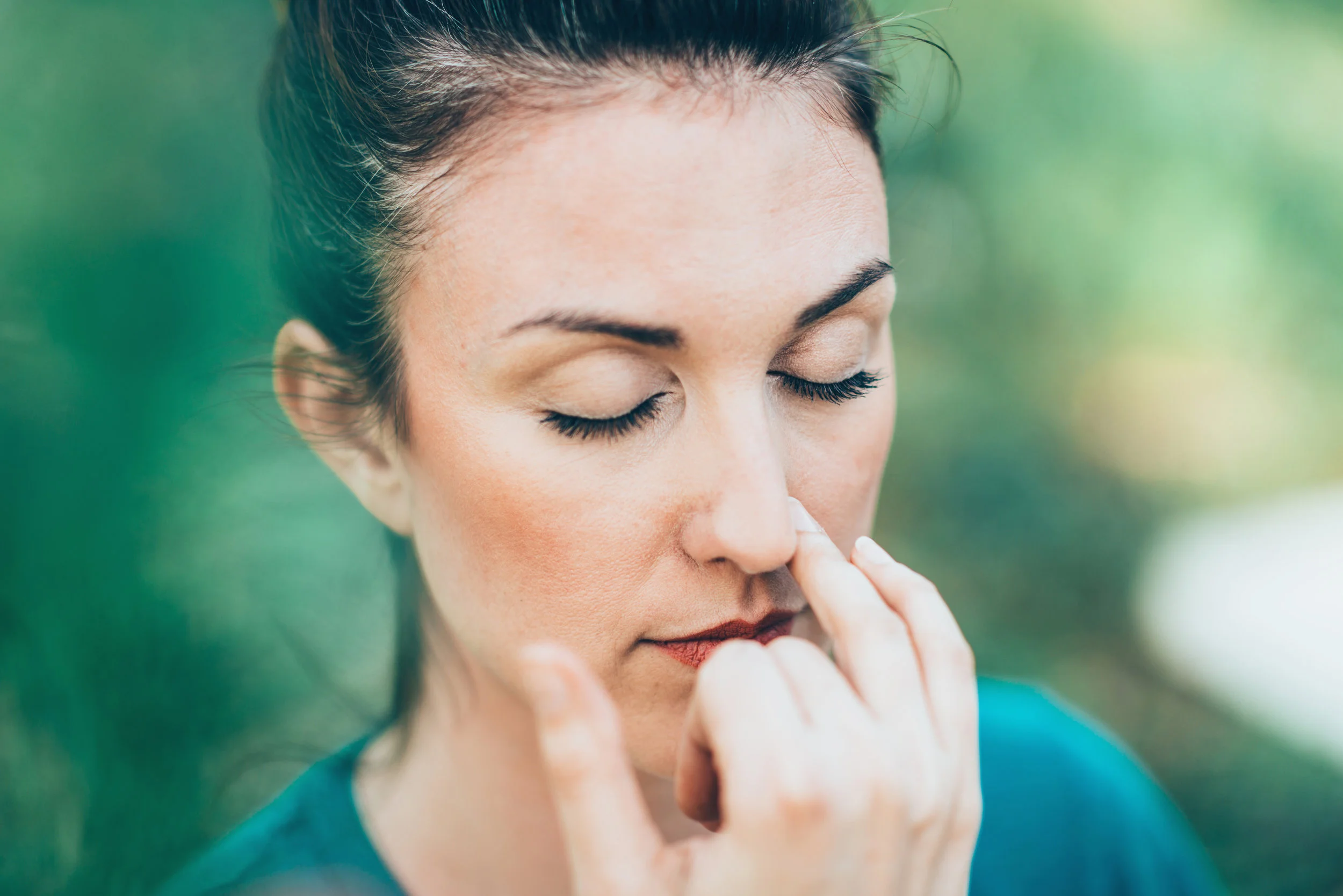
Yoga Therapy: The Newest Health Trend that Doctors are Paying Attention To

Wellness enthusiasts have long known the healing benefits of yoga. However, the popularity of this ancient practice is now growing among today’s mainstream, especially doctors. Today, there is a rise in doctor-prescribed yoga therapy, even among Western-trained doctors.

So what is yoga therapy? Why is it a growing trend? Will yoga therapy help patients feel better? Here is some insight.

What is Yoga Therapy?

Yoga therapy involves a variety of practices that can help ease a natural process or improve a health condition. Some of the therapeutic tools that are used are breathing exercises, physical postures, guided imagery and meditation. Diet is also considered part of yoga therapy.

While regular yoga, depending on the type, can be fast-paced and physically demanding, yoga therapy serves as a safe, gentler alternative. It is led by yoga teachers who are specially trained to work with patients suffering from various health conditions. Just as each patient is different, the styles and formats of yoga therapy also differ greatly. They can vary from small therapeutic classes and one-on-one sessions to chair yoga in nursing homes and hospitals.

Yoga therapy takes a more holistic approach to healing, focusing on patients as a whole instead of just on their conditions. The practice simultaneously works on the body, mind, and spirit, strengthening the body’s different systems. These include the heart and cardiovascular system, muscles, the lungs, as well as the body’s nervous system.

Individuals may suffer from multiple conditions at once, so yoga therapy can be a multi-purpose form of healing. Yoga practices can simultaneously improve digestive system function, nurture psychological well-being, and enhance delivery of oxygen to the body’s tissues. Yoga also can assist the body to more effectively remove carcinogens, waste products and toxins.

Why Is It a Growing Trend?

Yoga therapy is still considered to be a new professional field. However, it is now recognized worldwide as a clinically viable treatment. There are established yoga therapy programs at major health care centers and clinics around the United States. It is increasingly being used regularly in health care facilities and hospitals. As more and more physicians see that yoga therapy helps their patients feel better, it is increasingly becoming a component of medical care.

For the last 12 years, the International Association of Yoga Therapists (IAYT), which has over 3,400 individual members from 48 countries, has worked hard to establish yoga as an esteemed and recognized therapy in the West. It has published an annual peer-reviewed medical journal, presented at academic research conferences, and received an NIH grant to create rigorous yoga therapy certification standards. It is now accrediting training programs and beginning to certify therapist graduates.

The IAYT database of yoga-therapy training programs has grown from five in 2003 to more than 130 schools worldwide today. These include 24 arduous multi-year programs that have been recently accredited by IAYT; there are an additional 20 still under review. As of 2015, most IAYT yoga-therapy practitioners work in hospital settings, while others work in outpatient clinics or physical therapy, oncology, or rehabilitation departments as well as in private practice.

Clinical research is partly responsible for the growing acceptance of yoga therapy in the health care sector. A growing body of research documents the proven benefits of yoga when using it to treat a wide range of health conditions, including anxiety, back pain, insomnia and depression. It is also proven to help reduce risk factors for hypertension and cardiovascular disease. Research also shows that yoga therapy has been successful in alleviating the side effects of cancer treatment. Some patients who have practiced yoga while undergoing radiation therapy have reported lower levels of fatigue, stress and a better quality of life.

Is Yoga Therapy Effective?

Yoga therapy has been proven to be a particularly effective way to reduce stress. This is good news for most people in the West, who encounter high levels of stress on a daily basis. Stress has been known to cause or contribute to varying medical problems, ranging from irritable bowel syndrome, migraine headaches and potentially life-threatening conditions such as heart disease, diabetes and osteoporosis.

When combined with other types of health care, whether alternative or conventional, yoga therapy has proven to be particularly effective, especially in healing chronic ailments. For instance, studies show that in addition to reducing the side effects of chemotherapy and radiation treatments for cancer patients, yoga therapy can also enable faster recovery after bypass surgery. In clinical trials, many patients with high blood pressure, type II diabetes or asthma, who began practicing yoga regularly, were able to lower the lower the dosage of drugs they needed or eliminate some pills entirely. For patients, less medication means fewer side effects, not to mention, greater monetary savings.
The Future of Yoga Therapy

It will still take more time for the practitioners and patients to fully accept yoga therapy as a primary approach to their medical treatment. But even as a supplemental approach, yoga therapy is making great strides. The growing body of scientific research documenting its health benefits is great evidence that yoga therapy is here to stay.

This article originally appeared on huffingtonpost.com and was written by Avital Scharf.

Yoga Therapy services available through Reset Wellness, visit our website for more details.
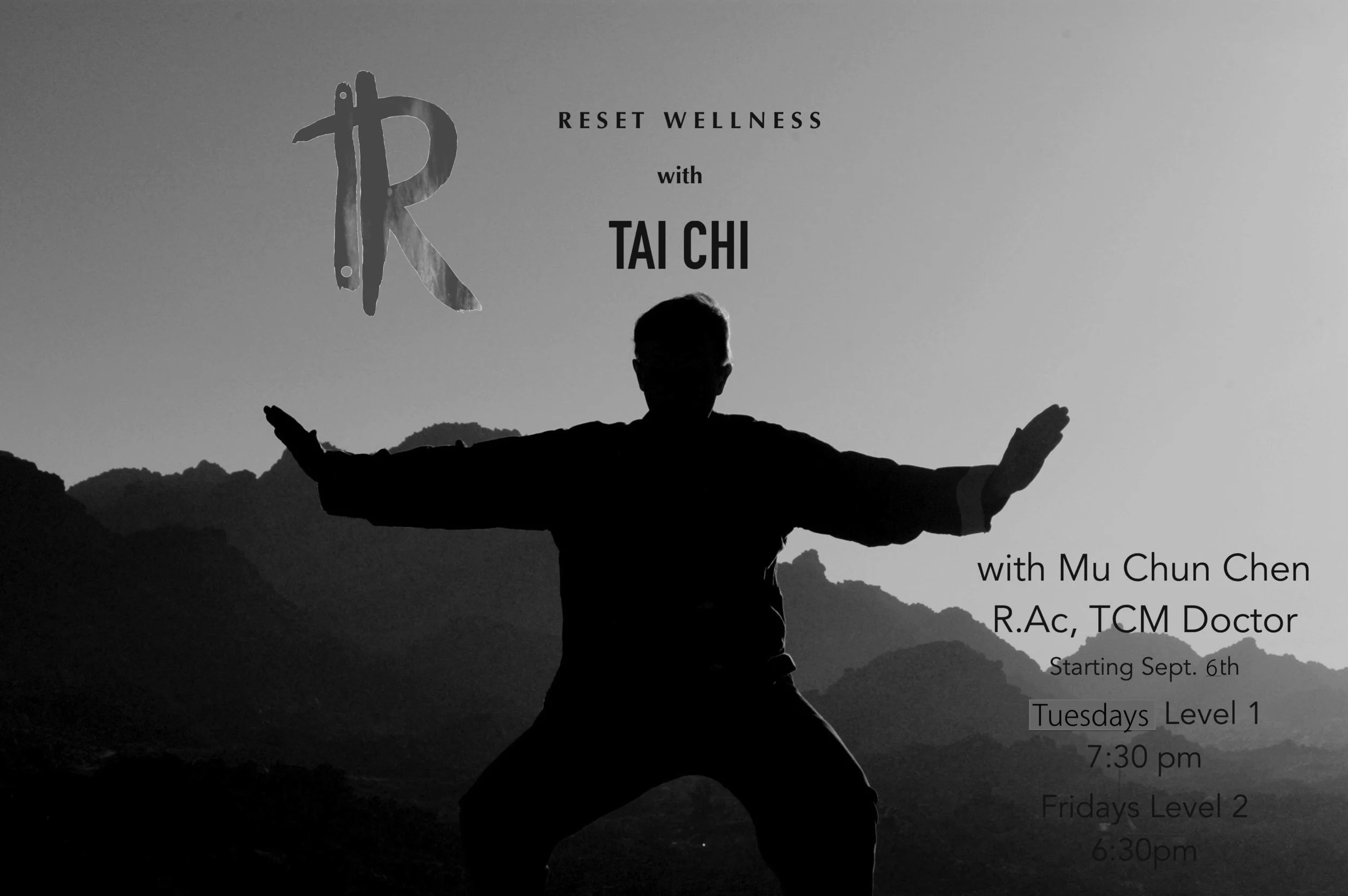
The health benefits of Tai Chi

This gentle form of exercise can help maintain strength, flexibility, and balance, and could be the perfect activity for the rest of your life.

Tai chi is often described as "meditation in motion," but it might well be called "medication in motion." There is growing evidence that this mind-body practice, which originated in China as a martial art, has value in treating or preventing many health problems. And you can get started even if you aren't in top shape or the best of health.

In this low-impact, slow-motion exercise, you go without pausing through a series of motions named for animal actions — for example, "white crane spreads its wings" — or martial arts moves, such as "box both ears." As you move, you breathe deeply and naturally, focusing your attention — as in some kinds of meditation — on your bodily sensations. Tai chi differs from other types of exercise in several respects. The movements are usually circular and never forced, the muscles are relaxed rather than tensed, the joints are not fully extended or bent, and connective tissues are not stretched. Tai chi can be easily adapted for anyone, from the most fit to people confined to wheelchairs or recovering from surgery.

Tai chi movement

A tai chi class practices a short form at the Tree of Life Tai Chi Center in Watertown, Mass.

"A growing body of carefully conducted research is building a compelling case for tai chi as an adjunct to standard medical treatment for the prevention and rehabilitation of many conditions commonly associated with age," says Peter M. Wayne, assistant professor of medicine at Harvard Medical School and director of the Tai Chi and Mind-Body Research Program at Harvard Medical School's Osher Research Center. An adjunct therapy is one that's used together with primary medical treatments, either to address a disease itself or its primary symptoms, or, more generally, to improve a patient's functioning and quality of life.

Belief systems

You don't need to subscribe to or learn much about tai chi's roots in Chinese philosophy to enjoy its health benefits, but these concepts can help make sense of its approach:

  • Qi — an energy force thought to flow through the body; tai chi is said to unblock and encourage the proper flow of qi.

  • Yin and yang — opposing elements thought to make up the universe that need to be kept in harmony. Tai chi is said to promote this balance.

Tai chi in motion

A tai chi class might include these parts:

Warm-up. Easy motions, such as shoulder circles, turning the head from side to side, or rocking back and forth, help you to loosen your muscles and joints and focus on your breath and body.

Instruction and practice of tai chi forms. Short forms — forms are sets of movements — may include a dozen or fewer movements; long forms may include hundreds. Different styles require smaller or larger movements. A short form with smaller, slower movements is usually recommended at the beginning, especially if you're older or not in good condition.

Qigong (or chi kung). Translated as "breath work" or "energy work," this consists of a few minutes of gentle breathing sometimes combined with movement. The idea is to help relax the mind and mobilize the body's energy. Qigong may be practiced standing, sitting, or lying down.

Getting started

The benefits of tai chi are generally greatest if you begin before you develop a chronic illness or functional limitations. Tai chi is very safe, and no fancy equipment is needed, so it's easy to get started. Here's some advice for doing so:

Don't be intimidated by the language. Names like Yang, Wu, and Cheng are given to various branches of tai chi, in honor of people who devised the sets of movements called forms. Certain programs emphasize the martial arts aspect of tai chi rather than its potential for healing and stress reduction. In some forms, you learn long sequences of movements, while others involve shorter series and more focus on breathing and meditation. The name is less important than finding an approach that matches your interests and needs.

Check with your doctor . If you have a limiting musculoskeletal problem or medical condition — or if you take medications that can make you dizzy or lightheaded — check with your doctor before starting tai chi. Given its excellent safety record, chances are that you'll be encouraged to try it.

Consider observing and taking a class. Taking a class may be the best way to learn tai chi. Seeing a teacher in action, getting feedback, and experiencing the camaraderie of a group are all pluses. Most teachers will let you observe the class first to see if you feel comfortable with the approach and atmosphere. Instruction can be individualized. Ask about classes at your local Y, senior center, or community education center. The Arthritis Foundation (www.arthritis.org; 800-283-7800, toll-free) can tell you whether its tai chi program, a 12-movement, easy-to-learn sequence, is offered in your area.

If you'd rather learn at home, you can buy or rent videos geared to your interests and fitness needs (see "Selected resources"). Although there are some excellent tai chi books, it can be difficult to appreciate the flow of movements from still photos or illustrations.

Talk to the instructor. There's no standard training or licensing for tai chi instructors, so you'll need to rely on recommendations from friends or clinicians and, of course, your own judgment. Look for an experienced teacher who will accommodate individual health concerns or levels of coordination and fitness.

Dress comfortably. Choose loose-fitting clothes that don't restrict your range of motion. You can practice barefoot or in lightweight, comfortable, and flexible shoes. Tai chi shoes are available, but ones you find in your closet will probably work fine. You'll need shoes that won't slip and can provide enough support to help you balance, but have soles thin enough to allow you to feel the ground. Running shoes, designed to propel you forward, are usually unsuitable.

Gauge your progress. Most beginning programs and tai chi interventions tested in medical research last at least 12 weeks, with instruction once or twice a week and practice at home. By the end of that time, you should know whether you enjoy tai chi, and you may already notice positive physical and psychological changes.

No pain, big gains

Although tai chi is slow and gentle and doesn't leave you breathless, it addresses the key components of fitness — muscle strength, flexibility, balance, and, to a lesser degree, aerobic conditioning. Here's some of the evidence:

Muscle strength. Tai chi can improve both lower-body strength and upper-body strength. When practiced regularly, tai chi can be comparable to resistance training and brisk walking.

"Although you aren't working with weights or resistance bands, the unsupported arm exercise involved in tai chi strengthens your upper body," says internist Dr. Gloria Yeh, an assistant professor at Harvard Medical School. "Tai chi strengthens both the lower and upper extremities and also the core muscles of the back and abdomen."

Flexibility. Tai chi can boost upper- and lower-body flexibility as well as strength.

Balance. Tai chi improves balance and, according to some studies, reduces falls. Proprioception — the ability to sense the position of one's body in space — declines with age. Tai chi helps train this sense, which is a function of sensory neurons in the inner ear and stretch receptors in the muscles and ligaments. Tai chi also improves muscle strength and flexibility, which makes it easier to recover from a stumble. Fear of falling can make you more likely to fall; some studies have found that tai chi training helps reduce that fear.

Aerobic conditioning. Depending on the speed and size of the movements, tai chi can provide some aerobic benefits. If your clinician advises a more intense cardio workout with a higher heart rate than tai chi can offer, you may need something more aerobic as well.

This article originally appeared on www.health.harvard.edu.

Tai Chi class series at Reset Wellness, Level 1 & 2  register online
 

Yoga for anxiety and depression.

Studies suggest that this practice modulates the stress response.

Since the 1970s, meditation and other stress-reduction techniques have been studied as possible treatments for depression and anxiety. One such practice, yoga, has received less attention in the medical literature, though it has become increasingly popular in recent decades. One national survey estimated, for example, that about 7.5% of U.S. adults had tried yoga at least once, and that nearly 4% practiced yoga in the previous year.

Yoga classes can vary from gentle and accommodating to strenuous and challenging; the choice of style tends to be based on physical ability and personal preference. Hatha yoga, the most common type of yoga practiced in the United States, combines three elements: physical poses, called asanas; controlled breathing practiced in conjunction with asanas; and a short period of deep relaxation or meditation.

Many of the studies evaluating yoga's therapeutic benefits have been small and poorly designed. However, a 2004 analysis found that, in recent decades, an increasing number have been randomized controlled trials — the most rigorous standard for proving efficacy.

Available reviews of a wide range of yoga practices suggest they can reduce the impact of exaggerated stress responses and may be helpful for both anxiety and depression. In this respect, yoga functions like other self-soothing techniques, such as meditation, relaxation, exercise, or even socializing with friends.

Taming the stress response

By reducing perceived stress and anxiety, yoga appears to modulate stress response systems. This, in turn, decreases physiological arousal — for example, reducing the heart rate, lowering blood pressure, and easing respiration. There is also evidence that yoga practices help increase heart rate variability, an indicator of the body's ability to respond to stress more flexibly.

A small but intriguing study further characterizes the effect of yoga on the stress response. In 2008, researchers at the University of Utah presented preliminary results from a study of varied participants' responses to pain. They note that people who have a poorly regulated response to stress are also more sensitive to pain. Their subjects were 12 experienced yoga practitioners, 14 people with fibromyalgia (a condition many researchers consider a stress-related illness that is characterized by hypersensitivity to pain), and 16 healthy volunteers.

When the three groups were subjected to more or less painful thumbnail pressure, the participants with fibromyalgia — as expected — perceived pain at lower pressure levels compared with the other subjects. Functional MRIs showed they also had the greatest activity in areas of the brain associated with the pain response. In contrast, the yoga practitioners had the highest pain tolerance and lowest pain-related brain activity during the MRI. The study underscores the value of techniques, such as yoga, that can help a person regulate their stress and, therefore, pain responses.

Improved mood and functioning

Questions remain about exactly how yoga works to improve mood, but preliminary evidence suggests its benefit is similar to that of exercise and relaxation techniques.

In a German study published in 2005, 24 women who described themselves as "emotionally distressed" took two 90-minute yoga classes a week for three months. Women in a control group maintained their normal activities and were asked not to begin an exercise or stress-reduction program during the study period.

Though not formally diagnosed with depression, all participants had experienced emotional distress for at least half of the previous 90 days. They were also one standard deviation above the population norm in scores for perceived stress (measured by the Cohen Perceived Stress Scale), anxiety (measured using the Spielberger State-Trait Anxiety Inventory), and depression (scored with the Profile of Mood States and the Center for Epidemiological Studies Depression Scale, or CES-D).

At the end of three months, women in the yoga group reported improvements in perceived stress, depression, anxiety, energy, fatigue, and well-being. Depression scores improved by 50%, anxiety scores by 30%, and overall well-being scores by 65%. Initial complaints of headaches, back pain, and poor sleep quality also resolved much more often in the yoga group than in the control group.

One uncontrolled, descriptive 2005 study examined the effects of a single yoga class for inpatients at a New Hampshire psychiatric hospital. The 113 participants included patients with bipolar disorder, major depression, and schizophrenia. After the class, average levels of tension, anxiety, depression, anger, hostility, and fatigue dropped significantly, as measured by the Profile of Mood States, a standard 65-item questionnaire that participants answered on their own before and after the class. Patients who chose to participate in additional classes experienced similar short-term positive effects.

Further controlled trials of yoga practice have demonstrated improvements in mood and quality of life for the elderly, people caring for patients with dementia, breast cancer survivors, and patients with epilepsy.

Benefits of controlled breathing

A type of controlled breathing with roots in traditional yoga shows promise in providing relief for depression. The program, called Sudarshan Kriya yoga (SKY), involves several types of cyclical breathing patterns, ranging from slow and calming to rapid and stimulating.

One study compared 30 minutes of SKY breathing, done six days a week, to bilateral electroconvulsive therapy and the tricyclic antidepressant imipramine in 45 people hospitalized for depression. After four weeks of treatment, 93% of those receiving electroconvulsive therapy, 73% of those taking imipramine, and 67% of those using the breathing technique had achieved remission.

Another study examined the effects of SKY on depressive symptoms in 60 alcohol-dependent men. After a week of a standard detoxification program at a mental health center in Bangalore, India, participants were randomly assigned to two weeks of SKY or a standard alcoholism treatment control. After the full three weeks, scores on a standard depression inventory dropped 75% in the SKY group, as compared with 60% in the standard treatment group. Levels of two stress hormones, cortisol and corticotropin, also dropped in the SKY group, but not in the control group. The authors suggest that SKY might be a beneficial treatment for depression in the early stages of recovery from alcoholism.

Potential help for PTSD

Since evidence suggests that yoga can tone down maladaptive nervous system arousal, researchers are exploring whether or not yoga can be a helpful practice for patients with post-traumatic stress disorder (PTSD).

One randomized controlled study examined the effects of yoga and a breathing program in disabled Australian Vietnam veterans diagnosed with severe PTSD. The veterans were heavy daily drinkers, and all were taking at least one antidepressant. The five-day course included breathing techniques (see above), yoga asanas, education about stress reduction, and guided meditation. Participants were evaluated at the beginning of the study using the Clinician Administered PTSD Scale (CAPS), which ranks symptom severity on an 80-point scale.

Six weeks after the study began, the yoga and breathing group had dropped their CAPS scores from averages of 57 (moderate to severe symptoms) to 42 (mild to moderate). These improvements persisted at a six-month follow-up. The control group, consisting of veterans on a waiting list, showed no improvement.

About 20% of war veterans who served in Afghanistan or Iraq suffer from PTSD, according to one estimate. Experts treating this population suggest that yoga can be a useful addition to the treatment program.

Researchers at the Walter Reed Army Medical Center in Washington, D.C., are offering a yogic method of deep relaxation to veterans returning from combat in Iraq and Afghanistan. Dr. Kristie Gore, a psychologist at Walter Reed, says the military hopes that yoga-based treatments will be more acceptable to the soldiers and less stigmatizing than traditional psychotherapy. The center now uses yoga and yogic relaxation in post-deployment PTSD awareness courses, and plans to conduct a controlled trial of their effectiveness in the future.

Cautions and encouragement

Although many forms of yoga practice are safe, some are strenuous and may not be appropriate for everyone. In particular, elderly patients or those with mobility problems may want to check first with a clinician before choosing yoga as a treatment option.

But for many patients dealing with depression, anxiety, or stress, yoga may be a very appealing way to better manage symptoms. Indeed, the scientific study of yoga demonstrates that mental and physical health are not just closely allied, but are essentially equivalent. The evidence is growing that yoga practice is a relatively low-risk, high-yield approach to improving overall health.

This article originally appeared on www.health.harvard.edu


For more information about yoga for mental wellness, visit our website.
Upcoming yoga workshop for Anxiety, Stress & Trauma register online.
 

Stress: getting a handle on it.

Stress is something everyone knows about, but not everyone understands its effects.

When the body experiences emotional or physical stress it responds by increasing muscle tone and changing hormone levels. When a stressful situation is resolved your body returns back to its previous relaxed state. This suited us really well back in our hunter-gatherer days when we picked berries and had to run from the occasional tiger, or the like. While tigers aren't really a problem these days, you can't out run work or use fire to fend off that report that's due on Monday. Stress tends to occur over long term and doesn't necessarily have a single cause.

Your body treats these so-called minor hassles as threats. As a result you may feel as if you're constantly under assault.

Over time stress can decrease the power of your immune system and almost all your body's processes, increasing the demand for more resources to maintain it. Stress stays with us as we continue to endure it, and becomes stored as muscular & fascial tension, plus heightened levels of hormones, including cortisol and adrenaline, until something happens to ease the perceived stress. Over time this chronic tension and increased hormone levels can cause:

  • Anxiety
  • Depression
  • Digestive problems
  • Headaches
  • Heart disease
  • Sleep problems
  • Weight gain
  • Memory and concentration impairment

It is important to have an outlet for your stress and allow it to be released from your body. There are two ways to release it: one is through physical means - like massage, martial arts,  yoga, or practicing a healthy eating lifestyle, as these activities release the stored muscle tension, strengthen your body and signal the nervous system to relax. Massage especially helps lower blood pressure, increases circulation, stimulates the release of oxytocin and promotes a sense of relaxation. The other is to ease the emotional or mental factors behind the stress through methods like meditation or making the time to relax. Some simple and effective strategies are:

  • Learn to meditate 5 mins a day*
  • Spend time in nature
  • Go for a daily walk
  • Exercise regularly
  • Connect with trusted people
  • Practice your hobbies weekly

*Meditation takes you to a deeper state than sleep. During this time, just like during the sleep cycle, your body has the opportunity to repair and regenerate. Your muscles start to relax and aches are relieved. The result is increased energy and improved health.

 Take time for yourself and find the outlet for you. You'll be glad you did.
 

Everyone endures stress - some form of it - so remember you are not alone. How you cope with it can vary, and every method works, but some more than others for each individual. To learn more and for appointments with our specialists contact us over email contact@resetwellness.ca or phone 780.756.5265We're here to help.

This article is written by our very own Brad Ballard, RMT at Reset Wellness.