
Knowing Your Rhythms & Maintaining Balance

We tend to underestimate how much maintaining balance contributes to living life successfully and productively.

As a sports enthusiast, I appreciate how sports are a metaphor for, or a microcosm of, life so you will find me making many comparisons and analogies.

Take the example of an Olympic athlete.

To get optimum results he/she must train for the event in the most efficient and productive manner possible because the margin of error in a sporting event is miniscule.

You could win or lose in an Olympic event by a hair or one 1/100th of a second. Not a chance you would want to take.

When in training the athlete must have discipline and maintain a routine that includes the proper balance of sleep, good nutrition and exercise. He/she must also employ psychology to make sure that the necessary mindset or attitude is in place. Attitude and mindset are so important that they could make the difference between winning and losing.

If any one of these components is missing, or out of balance, the athlete will not perform well.

So it is with living life to the fullest. We don't have to adhere to the strict regimen an Olympic athlete would, but in order to function at our best, we definitely need to balance taking care of ourselves physically, mentally and spiritually. Focusing too much on any one facet catches up with us and leads to health problems in the neglected area.

For instance, if you were to exercise too much (hard to imagine) and not take time to rest and replenish, you would injure yourself. If you read, or do a disproportionate amount of mental work, your body would lack proper circulation and fitness level.
If you spend an emormous amount of time meditating, or relaxing, your brain waves slow down and you lack mental agility.

Whenever you overdo it in any aspect of your life, you lose perspective and balance.  As Aristotle said: "Moderation in all things."

How do we maintain balance in our lives?

  • Know yourself and how much rest, food and exercise you need to function at your best. There are many good books and websites that give great advice on diet and exercise. Decide what works best for you and implement it into your routine.

  • Keep your mind alert and in shape. As mentioned in the 10 Positive Habits To Develop , try to learn a new piece of information each day, even if it's in conversation with your spouse and children at the dinner table.

  • Stay connected with family and friends. At the end of the day share with your spouse and children how the day went for each of you. We lead busy lives, but we should never be too busy to connect with and make at least one phone call to a parent, sibling or friend during the day.

  • Do something spontaneous. Our lives can be too regimented at times so it's a good idea to do something out of the ordinary every now and then. During your lunch one day go for a pedicure or massage. Take a drive in the countryside one afternoon. On the weekend go to a concert (rock, opera or symphony). 

  • Make time for yourself. Each evening take time to unwind. If that means leaving the dishes overnight, so be it. Take a nice bath, read from the book you started, or listen to some soothing music.

We can all learn from elite athletes who, by knowing how to balance their training routines, are able to function at optimum levels.

This article originally appeared on essentiallifeskills.net and was written by Z. Hereford.

Acupuncture During Pregnancy

Whether you're getting poked with a needle or pressed by a finger, these methods have been shown to relieve nausea and other pregnancy symptoms — and labor pain to boot.

WHAT IS ACUPUNCTURE?

Acupuncture is a healing art that originated in China thousands of years ago. Traditional Chinese medicine views the body as two opposing forces, yin and yang. When an imbalance occurs between the two, it blocks what Chinese medicine refers to as qi (pronounced CHEE), or the flow of vital energy along internal pathways (known as meridians) in our bodies. During acupuncture, a practitioner inserts hair-thin needles through the skin at points along the meridians to correct imbalances and restore health.

So does it work? Researchers have found that acupuncture points correspond to deep-seated nerves, so that when the needles or twirled or electrically stimulated (known as electropuncture), the nerves are activated. This, in turn, triggers the release of several brain chemicals, including endorphins, which block pain signals and help to relieve a number of pregnancy symptoms.

BENEFITS OF ACUPUNCTURE DURING PREGNANCY

Many people credit acupuncture for easing a wide range of pregnancy symptoms including heartburnswelling in the legsconstipationcarpal tunnel syndromesciatica and more.

Here are some of the pregnancy symptoms acupuncture can relieve that science has studied:

  • Morning sickness. Some studies have shown that traditional acupuncture that targets the wrist can reduce the nausea and vomiting associated with morning sickness.
  • Lower back and pelvic pain. Research published in the American Journal of Obstetrics & Gynecology reports acupuncture could reduce pain in the lower back along with pelvic pain. Pregnant women in their late second and third trimesters received acupuncture on points on the ear; sham acupuncture (so-called “fake” acupuncture, done at nonspecific points); or no treatment at all. At the one-week follow-up, about 80 percent of women in the acupuncture group had a clinically significant reduction in pain, compared to 56 percent in the sham acupuncture group and only 36 percent for the group who received no treatment.
  • DepressionDepression during pregnancy is common, affecting nearly one in four women — but a targeted type of acupuncture may help. For a study published in the journal Obstetrics & Gynecology, during eight weeks clinically-depressed pregnant women who weren’t previously taking antidepressants received general acupuncture, acupuncture specific for depression, or massage. The severity of depression symptoms decreased most among women who received acupuncture for depression. And 63 percent of the women who received the depression-specific acupuncture responded to the treatment, compared to 44 percent in the general acupuncture and massage groups.
  • Headaches. Research has shown that acupuncture can reduce pregnancy-induced headaches; women who received it also used less medication.
  • Sleep Problems. Getting to sleep and staying asleep is trickier than ever during pregnancy — but some research has shown that women who receive acupuncture sleep better during pregnancy, too.

MOXIBUSTION DURING PREGNANCY

Moxibustion works on the same basic principles as acupuncture, but instead of actually puncturing your skin with a needle, long sticks of the mugwort herb are burned near certain acupuncture points along your body. Both the heat from the burning and properties of the herb itself are thought to provide physical benefits. Some studies have shown that daily sessions of moxibustion (either alone or combined with acupuncture) can increase fetal activity and therefore help turn a baby from a breech position to the more delivery-friendly heads-down position. However, some others studies have found moxibustion to be no more effective than doing nothing.

ACUPRESSURE DURING PREGNANCY

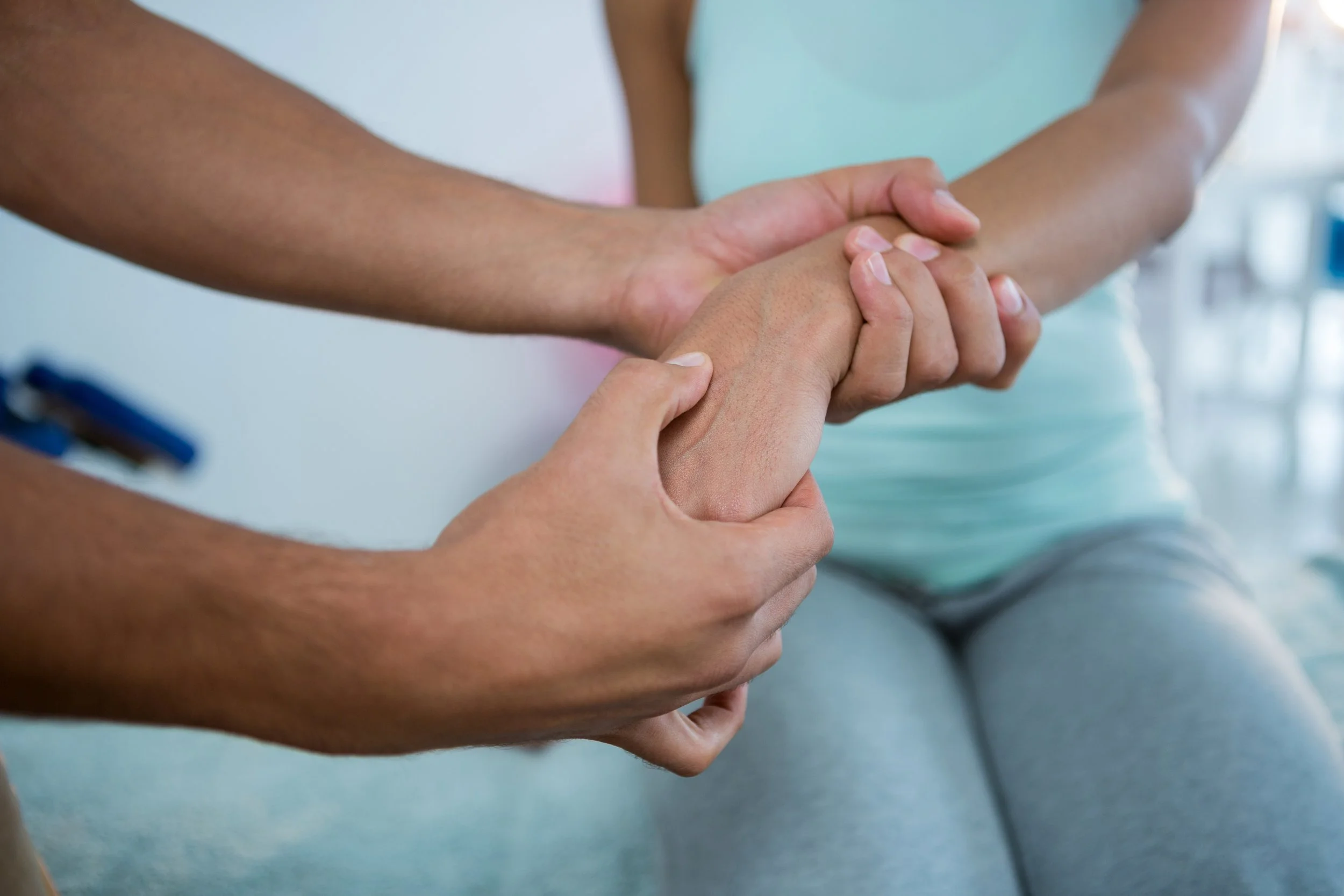
The points treated in acupressure are usually the same areas used in acupuncture — but instead of using needles, pressure is applied through a firm massage. Fingers (especially thumbs), hands, elbows, knees and feet are used as tools to rub, knead, drum on and vibrate against skin on certain parts of the body. Shiatsu, the most well-known style of acupressure, is fairly vigorous, with the therapist applying firm pressure to each trigger point for three to five seconds. Studies have shown that acupressure can help ease lower back pain, labor pain, nausea and headaches, as well as help naturally induce labor and reduce stress and anxiety during labor.

A word of warning: Since the practitioner has to press and massage very deeply to reach the acupuncture points during acupressure, it’s often times more painful than acupuncture, and it can cause discomfort or leave bruising.

POSSIBLE RISKS OF ACUPUNCTURE AND ACUPRESSURE DURING PREGNANCY

When done properly by a trained professional, acupuncture during pregnancy is considered safe and has few risks. Most risks are associated with acupuncture in general, such as soreness, redness or infection at the insertion sites, and injury from needles placed too deeply.

The biggest concern during preganncy is where the acupuncture is performed: There are several acupuncture and acupressure points (like those in the ankle) that are said to induce contractions — which is why they should be avoided until term (at which point, impatient moms might want to give them a try at the hands of a professional).

ACUPUNCTURE TIPS FOR PREGNANT WOMEN

Interested in acupuncture to relieve pregnancy symptoms? A few rules of the road:

  • Check with your doc. If you’re considering acupuncture, talk about it with your practitioner first. Though these therapies are generally considered safe, it’s best to discuss any health conditions, medications or other issues to determine if acupuncture is right for you.
  • Choose an acupuncturist wisely. Look for one who’s licensed by his or state and certified by the National Certification Commission for Acupuncture and Oriental Medicine (NCCAOM). Make sure your therapist has extensive experience dealing with pregnant women. If you need help finding an acupuncturist, try asking your local doula association for recommendations or using the NCCAOM practitioner search page.
  • Consider costs. Before you begin the treatment, ask the acupuncturist about the number of treatments you may need and how much each costs. Check with your insurer, too — some cover the cost of acupuncture while some don’t — to determine if you’ll have to pay out of pocket.
  • Watch for signs of trouble. Unless you’re specifically hoping to induce labor at term, you shouldn't feel any unusual contractions during or after a session. If you do, or you notice any other concerning symptoms, contact your healthcare provider immediately.

This article originally appeared on whattoexpect.com

Breakthrough: A Molecule That Destroys Cancerous Tumors

SCIENTISTS at the University of Huddersfield are the first to arrive at a deep understanding of a molecule that destroys cancerous tumours without harming healthy cell tissue.  The discovery opens up the potential for highly effective new cancer treatments that are free of serious side effects.

A new journal article describes the science behind the breakthrough.  Now the research team headed by Dr Nikolaos Georgopoulos has developed and patented a cancer treatment regime that exploits the unique properties of the molecule - a protein named Cluster of Differentiation 40 (CD40). The next phase is to secure funding for clinical trials.

Dr Georgopoulos is a specialist in cancer research and he has been investigating CD40 for almost 16 years.

"In 2002, we first reported that this particular member of the TNF receptor family is unique," he said.  "A lot of members of this family are very good at triggering cell death.  But the molecule CD40 is special.  It seems to specifically kill tumour cells, but when you activate it on normal cells, they don't die."

It was vital to understand these remarkable properties of CD40, with their immense potential for cancer therapy.  Years of investigation began to unlock the mystery.

"Cancer therapies, such as chemotherapy and radiotherapy, are 'hit with a hammer' approaches.  Hit as hard as you can and kill the tumours as well as you can.  But there is usually some collateral damage.  There are side effects," said Dr Georgopoulos.

"We knew this CD40 molecule seemed to be very good at killing tumour cells.  So we decided to observe what it does at the molecular level.  If we understand what it does and what's so special about it, we can design our own way to kill tumours.  We have now identified exactly why this molecule can kill tumour cells and why it leaves normal cells unaffected."

Related Stories

Tumour cells proliferate by continuously dividing.  This places them under considerable stress, but they have developed protective properties that enable them to cope.  CD40 removes this protection so that the tumour cells die, but because normal cells are not placed under "oxidative stress" they are unharmed by the protein.

Dr Georgopoulos and his co-researchers at the University of Huddersfield made this discovery because instead of working purely with tumour cells, they were able to make comparisons with the effects of CD40 on normal cells as well as engineered - para-malignant - cells that allowed them to mimic the process of carcinogenesis - cancer development.

The team has also worked on a method of using CD40 in targeted, intravenous bio-therapy by discovering the best way to deploy the molecule - using its ligand to activate it.  The discovery has been patented, and the University is exploring commercialisation through a spin-out company - provisionally called ThanatoCure™ - Thanatos is the Greek word for 'death', referring here to cell death.

Advanced discussions are being held with a company that specialises in early-stage development of innovative cancer therapies.  It is hoped that the company will secure funding in the region of £900,000 for clinical trials that would see colorectal cancer patients receiving the new treatment. The trials could start as early as the end of 2017.

This article originally appeared on www.news-medical.net

7 Exercises to Improve Balance

There are two good reasons to turn your workout into a balancing act. First, a controlled wobble activates deep core muscles to help tighten the midsection. Secondly, it prepares athletes for that quick turn or lunge.

Try these seven exercises to improve balance:

Before each move in this workout, engage your abdominals by tightening them—without holding your breath—as if preparing to take a punch. You'll activate the core muscles surrounding your spine and tone your entire abdominal area. Engaged abs also help prevent injury when lifting.

If you have a medical condition, be sure to check with your doctor before this workout or any new fitness program.

1. One-Legged Balance

Start with this beginning move, keeping a stable chair or a wall within arms' reach. With feet together, pick up one foot—knee facing forward or to the side. Hold the position with eyes open, then closed. Switch feet and repeat for four reps on each foot.

If any move feels wrong or unsafe to you, stop and check with a trainer. Depending on your health and physical condition, some exercises may not be recommended.

2. Leg Swings

Stand on your right leg and raise the left leg three to six inches off the floor. With arms at your sides, swing your left leg forward and backward, touching the floor for balance, while keeping your torso erect. Now, repeat the moves, but don't allow your foot to touch the ground. And finally, swing the left foot to the left side, holding the right arm out. Switch legs and repeat.

3. One-Legged Clock With Arms

Balance on one leg, torso straight, head up, and hands on the hips. Visualize a clock and point your arm straight overhead to 12, then to the side (three), and then circle low and around to nine without losing your balance.

Increase the challenge by having a partner call out the different times to you. Switch to the opposite arm and leg and repeat.

4. Clock on an Unstable Surface

Once you master balance moves on solid ground, try them on an unstable surface such as a BOSU platform. Stand near a wall or other support, for safety. Start in the middle of the board on two feet at first. When you feel comfortable, carefully give the one-legged clocks a try. It's harder than it looks.

5. One-Legged Squat

Stand with your feet hip-width apart. Point your left foot out front, just barely touching the floor for balance and push your hips back and down into this challenging one-legged squat position. Your right knee is bent, chest upright, eyes forward, and your arms out front. Slowly push up to return to starting position. Switch feet. Be sure the knee doesn't push in front of the toes.

6. Single-Leg Dead Lift

Balance on your left foot, engage the abs, and bend forward at the hips while reaching toward the ground with your right hand. Hold on to a five- to 10-pound weight and raise your right leg behind you for counterbalance. Tighten the buttocks as you return to the starting position. Keep your knee relaxed and back flat throughout the movement. Switch legs.

7. Tools and Toys for Balance

Challenging your balance may be as simple as standing on one leg or closing your eyes. But for added challenge and fun, include balance boards, balance cushions, or sturdy foam rollers.

Keep safety in mind at all times: remove objects around you and stand near a wall or stable surface in case you lose your balance.

This article originally appeared on active.com and was written by Amy Rutherford-Close.