Manual Osteopaths: Your Ally in Complete Health Care

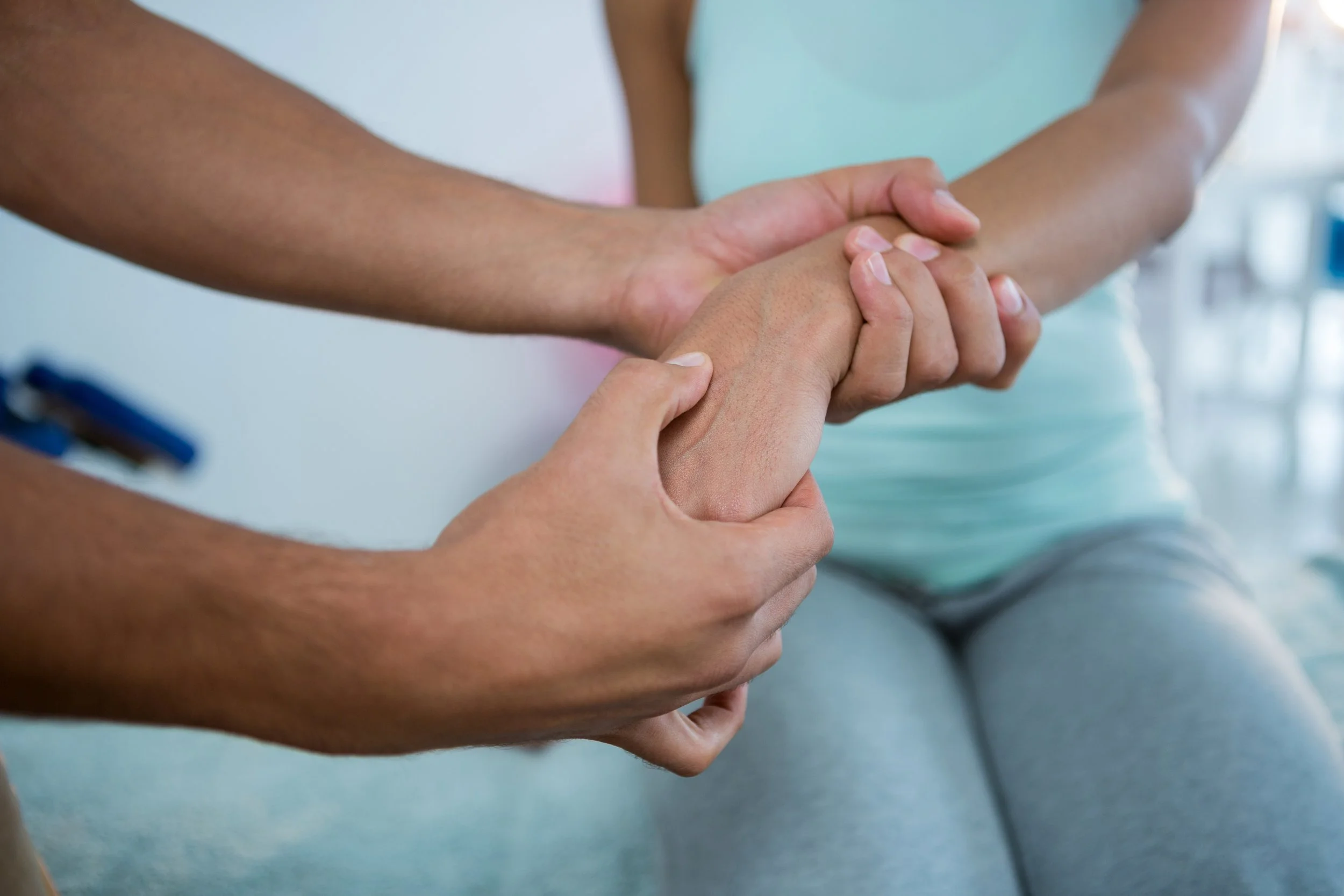
Osteopathy is a form of drug-free non-invasive manual (therapy) medicine that focuses on total body health by treating and strengthening the musculoskeletal framework, which includes the joints, muscles and spine. Its aim is to positively affect the body's nervous, circulatory and lymphatic systems.

This therapy is a unique holistic (whole body) approach to health care. Osteopaths do not simply concentrate on treating the problem area, but use manual techniques to balance all the systems of the body, to provide overall good health and wellbeing.

Dr. Andrew Taylor Still established the practice of Osteopathy in the late 1800s in the United States of America, with the aim of using manual 'hands on' techniques to improve circulation and correct altered biomechanics, without the use of drugs.

What does osteopathy treat?

Osteopaths treat more than you think. Many patients present with complaints of aches in the head, back, neck, and heel/ foot pain; sciatica; shin splints; tennis elbow and repetitive strain injury. Other patients suffer from asthma; arthritis; digestive problems; carpal tunnel syndrome; whiplash and postural problems.

Osteopaths also deal regularly with patients who have been injured in the workplace, at home or while playing sport.

What are the qualities of Osteopathy

The philosophy of Osteopathy is what sets it apart from other (manual therapy) disciplines. The key principles are based on all parts of the body functioning together in an integrated manner. If one part of the body is restricted, then the rest of the body must adapt and compensate for this, eventually leading to inflammation pain, stiffness and other health conditions. When the body is free of restrictions in movement, Osteopathic treatment assists the body with pain minimisation, reduced stress and greater mobility providing the body with the opportunity to heal itself.

Osteopaths use a broad range of gentle hands-on techniques including soft tissue stretching, deep tactile pressure, and mobilisation or manipulation of joints.

In some cases, Osteopaths can complement the advice given by GPs. For example, people who suffer from arthritis are often prescribed medication by their GP. In addition to that, Osteopaths can ease the pain caused by joint and muscle stiffness, by improving joint mobility and the flow of blood to the joints, and show arthritis sufferers how to prevent causing injury to themselves...

Benefits of Osteopathy

Osteopathic treatment in itself is not 'preventative'. Osteopaths respect the body's natural ability as a self-regulating mechanism and only intervene when pain or discomfort is present. The benefits of osteopathy are the general improvement in mobility and structural stability of the body. In turn, other systems of the body such as the circulatory, nervous and lymphatic systems function more effectively and for a number of general conditions, minimal treatment is required.

Osteopathy and sleep

A key indicator of pain or discomfort is lack of sleep or restless nights. An effective osteopathic treatment outcome often reflects the first signs of recovery with a good night's sleep. Poor sleep patterns only serve to magnify the body's inability to function adequately and reduce our psychosomatic (Psychosomatic illnesses are those in which physical symptoms are caused or aggravated by emotional factors) ability to cope with pain.

Osteopathy and the nervous, circulatory and lymphatic systems

Osteopathic treatment positively affects the nervous, circulatory and lymphatic systems, to deliver a more balanced body and better health overall. This combined with good dietary and /or exercise prescription can enhance a patient's well being and often leads to a positive approach to individual health responsibility.

This article originally appeared on medicalnewstoday.com and was written by Christian Nordqvist

Meet Our New Acupuncturist: Céline Sandberg

Céline Sandberg, R. Ac. completed MacEwan University’s 3-year acupuncture program, and is registered with the CAAA to practice acupuncture in Alberta. She also completed a 3-week internship at the Beijing Hospital of TCM to study the integration of TCM with Western medicine. Having grown up leading a very active lifestyle being involved in different sports, she has made it her passion to help people return to health after injury. Whether you’re suffering from post-concussion syndrome, other traumatic injuries or a repetitive strain injury to anything in between, she has the training to help your body recover from these injuries. What drew her to TCM acupuncture was the holistic approach to healing; she strongly believes in the power of the mind-body connection and strives to help you achieve mental, emotional, and physical health. 

She has a special interest in treating sports injuries, concussions, migraines and headaches, as well as mental health, gynecological and digestive problems.

Céline is adept with testing and effectively treating your symptoms to produce global effects in the body. She provides strategies for improving your health, consulting you on lifestyle, dietary, and exercise changes. Complimenting tools are integrated in to her treatments to treat specific issues thoroughly:

Myofascial / Fire cupping – same idea as suction cupping, only heat (fire) is used to create the vacuum seal rather than a suction pump. A small flame is inserted to a glass cup long enough to heat the air inside, and then quickly removed before the cup is placed on the skin. As the air cools, a vacuum is created, and the cups are either left stationary, or can be moved around. This technique has both Western and TCM applications.
When used in TCM, the cups are generally used along the acupuncture channels, or on specific points to elicit a certain response. It is beneficial in a multitude of conditions including: pain, digestive disorders. When used with Western ideologies, the cups are often placed around target musculo-skeletal areas. This is perfect for a variety of bone/joint injury or discomfort.

Auricular therapy – this is a type of reflexology using the external ear as a micro system to treat most disorders. This is extremely effective in helping with quitting smoking, and also enhancing and complimenting the treatment done on the rest of the body. Either needles are used, or ear seeds are used in the style of acupressure.

Gua sha – is also known as “skin scraping” or “coining”; either a gua sha tool or a soup spoon is used to “scrape” or massage the skin to remove adhesions and muscle tightness, or can be used along certain acupuncture channels to relieve pain, headaches, and increase mobilization of joints.

IMS/dry needling – are combined with TCM style acupuncture to help treat muscle imbalances. Trigger point and motor point release are used to increase mobility, strength, and flexibility. These techniques are used alongside TCM acupuncture to treat using a more systemic approach. Combining the two results in a prolonged effect due to the reduction of inflammation, the activation of the immune system and a more normalized endocrine system.

Meet the rest of our Reset Wellness Team here.

What Does Acupuncture Treat?

According to the World Health Organization (WHO) acupuncture has been found effective in treating the following conditions:

Musculoskeletal: muscle/joint pain and weakness, sprains, injuries, sciatica pain, arthritis, rheumatism

Circulatory: high blood pressure, angina pectoris, arteriosclerosis, anemia

Gastrointestinal: constipation, diarrhea, abdominal pain, ulcers, nausea, vomiting, colitis, spastic colon, food allergies, hemorrhoids, irritable bowel syndrome (IBS)

Neurological: headaches, migraines, facial paralysis, post operative rehabilitation, multiple sclerosis, neuralgia, bell's palsy, cerebral palsy

Emotional: insomnia, depression, nervousness, anxiety

Dermatological: eczema, psoriasis, acne, herpes zoster, skin rashes

Immune Disorders: candida, chronic fatigue, HIV and AIDS, epstein barr virus, allergies, lupus, hepatitis, rheumatoid arthritis

Gynecological/Genitourinary: menopausal symptoms, PMS, infertility, menstrual irregularities, endometriosis, fibroids, morning sickness, complications in pregnancy, chronic bladder infection, kidney stones, sexual dysfunction, impotence

Respiratory: rhinitis, sinusitis, cold, bronchitis, asthma

Other conditions: addictions, stress management, weight loss, fatigue, chemotherapy/radiation side effects, diabetes.

Acupuncture is a gentle and sophisticated approach for unlocking stress built up in your body. It's application is excellent as preventative care and works in conjunction with other therapies to compliment a wide range of treatment plans.

Céline is available at Reset Wellness Mondays, Thursdays, Fridays and Saturdays. Book Online.


15 Not-So-Obvious Ways To Cure Jet Lag Once and For All

Astonishing truth: Wearing sunglasses inside is a way to cure jet lag. So is exposing yourself to the outdoors in the afternoon.

We already know we should stock up on sleep, and we already know to stay hydrated, but there have got to be more creative ways to zap that terrible jet lag sleepiness. Behold, the folks at travel agency Thomas Cook outline some of their most effective cures (“anchor sleep,” anyone?):

This article originally appeared on Huffington Post and was written by Suzy Strutner

This article originally appeared on Huffington Post and was written by Suzy Strutner

What is Scar Tissue?

Scar tissue replaces normal skin tissue after the skin is damaged. Though scar tissue is made up of the same substance as undamaged skin, it looks different because of the way the fibers in the tissue are arranged. Scars form every time the skin is damaged beyond its first layer, whether that damage comes from a cut, burn, or a skin condition like acne or a fungal infection. Though there are ways to minimize the appearance of scars, there is no way to remove them entirely.

How it Forms

Human skin is made up of three main layers, the epidermis, dermis, and hypodermis. When the dermis — the pink middle layer in the cross-section of skin — is injured, the body first responds by making blood clot in the area to close off the wound. After the blood clots, the body then sends in fibroblasts, a type of cell that helps rebuild skin tissue. These cells break down the clot and start replacing it with proteins, primarily collagen, that make up scar tissue.

Though both scar tissue and normal skin are made with these collagen proteins, they look different because of the way the collagen is arranged. In regular skin, the collagen proteins overlap in many random directions, but in scar tissue, they generally align in one direction. This makes the scar have a different texture than the surrounding skin. Scar tissue is also not as flexible as normal skin, and does not have a normal blood supply, sweat glands, or hair.

Types of Scar Tissue

How an individual scar looks depends on a few things, including the circumstances of the injury and a person's skin tone. For instance, a puncture wound causes a different looking scar than a burn wound, and whether the wound gets infected or not can also influence the appearance of the scar. A wound in a place where the skin is stretched tight, like the chest, often causes a thicker scar, since the body has to make more tissue to keep the wound from pulling open. Skin tone plays a role too. Though scars in general tend to turn white over time, those with dark skin may get scars that get darker with time. Those with darker skin may also be more prone to keloid scars.

There are five main types of scars:

Atrophic scars: These scars are sunken down into the skin. This type of scarring is often seen with acne scars or with wounds where skin or muscle is removed by an injury. This type of scarring can also happen when the body produces so much scar tissue in one area that it prevents new cells from growing where the wound took place.
Hypertrophic scars: These are usually red or purple and are slightly raised above the skin. They tend to fade and get flat over time.
Contracture scars: These types of scars often happen with burns, and end up pulling the skin in towards the site of the injury. This can make the skin look puckered around the wound.
Keloid scars: These are very elevated, red or dark scars that form when the body produces a lot of extra collagen in a scar. Keloid scars are actually a benign type of tumor, and often grow bigger than the area of the original injury. Those with darker pigmented skin are thought to be more prone to keloid scarring, but it's not clear why.
Stretch marks: Also called striae, these are considered a unique type of scar since they don't happen in response to an injury, but because of the skin being stretched rapidly, often during pregnancy or adolescence. The tissue here is often sunken a little into the skin, and tends to fade with time.


Preventing and Treating Scar Tissue

Though there is no way to entirely get rid of scar tissue aside from avoiding a skin injury, there are ways to minimize its appearance both while the wound is healing and after a scar has formed. Except for keloid scars, most scars will fade on their own even without treatment.

While the wound is healing:

Covering the wound with a bandage — This is particularly important before going out in the sun, since UV rays can cause the newly formed tissue to get discolored and may slow down the healing process.
Cleaning wounds properly — Doctors recommend cleaning a wound with a gentle soap and lukewarm water. Cleaning with hydrogen peroxide, alcohol, or iodine can all damage the newly forming cells and lead to a more noticeable scar.
Soothing gels — Rubbing aloe vera gel on the skin after the wound has closed can help lessen redness. Vitamin E gels are not recommended, since studies show that they are not very effective are minimizing scars.
Anti-itch cream — This can help with the urge to scratch or touch the healing wound, which could irritate it and make a more noticeable scar.
Pressure bandages — Some doctors say that putting a specific type of pressure bandage on a wound can help prevent the appearance of elevated scars since it pushes the collagen down. There are several different brand name versions of these bandages, which are often called scar therapy bandages or scar sheets.


Ways to minimize scars after they form:

Massage — Massaging a scar with lotion or a doctor-recommended gel can help fade many types of scars. This is particularly recommended for keloid scars, since this can keep them from getting sensitive and painful, and can help break down some of the built-up collagen.
Injections — Steroid injections may help with hypertrophic or keloid scars, and atrophic scars can sometimes be filled in with collagen injections. One downside to this type of treatment is that it is almost always temporary, and has to be repeated regularly.
Skin resurfacing — This can be done with lasers or with equipment that works like very fine sandpaper in a procedure called dermabrasion.
Cryotherapy — This is a technique of freezing the scar, and can reduce the appearance of keloid and hypertrophic scars.

In extreme cases, a doctor might recommend surgery. Though surgery can't get rid of a scar, it can make it less noticeable. Surgery is not recommended for hypertrophic or keloid scars though, since it can make them worse. Another type of treatment for severe scars is radiation therapy, which can sometimes reduce keloid and hypertrophic scars.


This article originally appeared on wisegeekhealth.com