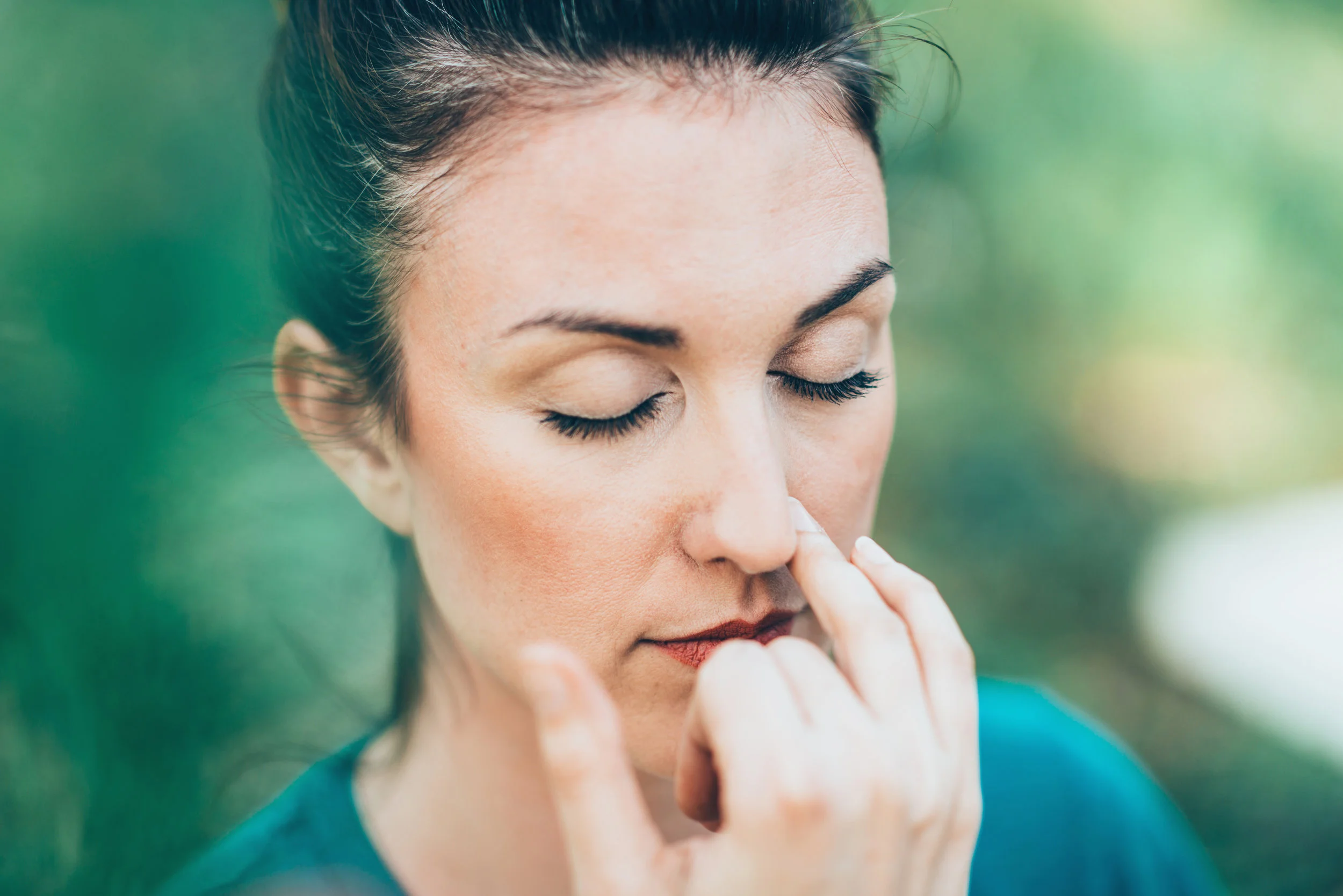
How Can Phoenix Rising Yoga Therapy Help You?

By Shari Arial

We all have an internal guiding compass, something inside us that truly knows what we want and need in our lives.

Well, what does that mean exactly?

Think of intuition, emotion and sickness as salesmen at your front door.

First intuition knocks ever so sweetly but you are in the kitchen busily doing your list of things to do.  You pause because you think you heard something, but don’t give it a second thought. It eventually goes away.

Then comes emotion. It knocks a little louder and this time you peek through the blinds to see who is there. You still don’t answer but you know emotion is out there, and you feel as if it knows you are there. It lingers on your doorstep.

Finally, sickness comes to your house. It does not knock or wait for an invitation. It kicks down your door, steps into your foyer and yells, “Honey I am home”!!!

Have you had this happen to you– where you know something is going on but either can’t tune into it or are unsure of what it means? We all have an internal guiding compass, something inside us that truly knows what we want and need in our lives. The trouble is that sometimes we become so overwhelmed by our lives that we don’t feel we have the time to slow down and tune in. It is when we completely ignore our body’s wisdom that sickness steps into our lives and that’s when we usually become aware of something needing to change.

But what if there was a way to tap into that intuition– that ever so subtle knock at the door?

A Phoenix Rising Yoga Therapy session gives you the opportunity to explore what is happening in you in the present moment, to get quiet and listen. Thoughts, emotions, sensations, images, LIFE, are all stored in the body and can cause physical or emotional pain. A Phoenix Rising session uses supported yoga postures and yogic techniques along with a dialogue process that is self-directed. Imagine restoring your body for an hour in a supportive environment where you can reflect on your own wisdom and what you truly need, and bring that awareness into your life. And the best part is no yoga experience is required.

Change happens when you open the door to the salesmen and acknowledge that they are, in fact, standing on your doorstep and consider what they have to sell you today.

“So often we run from our uncomfortable situations and never allow them to teach us.” ~ Michael Lee, Founder of Phoenix Rising Yoga Therapy


20 Epsom Salt Uses - Why You Need it in Your Home

Epsom Salts – chemically known as magnesium sulfate – are named after the spring in Surrey, England where the naturally-occurring mineral was discovered in the water. A must have natural remedy for every home, Epsom salts may be used topically or taken internally. Read on to learn about the many incredible health benefits and uses for Epsom salts.

1. Relax Your Body

Epsom salts dissolved in warm water – like those in an Epsom salt bath – are easily absorbed through the skin where they immediately go to work inside our bodies. The magnesium ions break apart from Epsom salt molecules and begin to relieve stress by promoting the production of serotonin and reducing the effects of adrenaline. Magnesium also plays a critical role in the production of energy in cells, helping us to feel invigorated without causing feelings of restlessness or anxiety.

To find out how to make your own Epsom salt bath and nine reasons you should have a soak in one today, have a read of our recent article here. 

Recommended Reading: How To Use Essential Oils To Beat Anxiety: 12 Experts Reveal Their Secrets

2. Relieve Pain and Cramping

Epsom salts absorbed through the skin also work to relieve muscle tension, pain, and inflammation in joints. Submerge yourself in a warm Epsom salt bath to alleviate tension headaches or soothe abdominal cramps. Tired and sore feet will also benefit from the therapeutic warmth of an Epsom salt soak.

(Recommended Reading: 10 Potent Foods That Kill Pain Fast)

3. Muscle and Nerve Function

Aside from relieving tension, pain, and cramping, Magnesium sulfate has several other positive effects on the human body. It aids in many enzymatic functions, helps to regulate fluid retention in cells, and facilitates the body’s use of calcium to transmit chemical signals throughout the nervous system.

4. For Arterial Health

Epsom salts may help to improve circulation and prevent serious cardiovascular illness by decreasing inflammation and protecting the elasticity of arteries. Healthier arteries means less risk of blood clots, plaque build-up, and damage to arterial walls. Try soaking in an Epsom salt bath three to four times per week to reduce stress, lower blood pressure, and improve your cardiovascular health.

(Further reading: 9 Clever Ways To Naturally Clear Arteries)

5. Regulate Blood Sugar

Both magnesium and sulfate help to improve the body’s ability to produce and use insulin. Regular intake of Epsom salts – either orally or transdermally – may help to regulate blood sugar, lowering the risk of diabetes and improving your overall daily energy levels.

6. Relieves Constipation

One of Epsom salt’s more popular uses is as a saline laxative. Dissolve one teaspoon of Epsom salts into a cup of warm water and drink. Note, this remedy should not be used more than once per day. If symptoms persist for more than a few days, it is always recommended to consult with a physician.

7. Helps to Remove Splinters

To dislodge a stubborn splinter, simply soak the affected body part in warm water and Epsom salts for a few minutes. Magnesium sulfate will reduce the inflammation around the wound and soften up the splinter, making it much easier to remove.

8. Soothe Sprains and Bruises

Anti-inflammatory Epsom salts can be used to alleviate the soreness from sprains and bruises. Just add two cups of salts to your warm bath water and soak away the ache.

9. Keep Feet Healthy

It’s pretty common knowledge that soaking your feet in Epsom salts is good for soothing away aches and pains. But did you know that it can also help to treat athlete’s foot and toe nail fungal infections? Simply add a half cup of Epsom salts to warm water and soak your feet for as long as you want (or until the water gets cold) to alleviate the itching and burning and help heal feet faster.

(Further reading: Top 10 Natural Remedies For Toenail Fungus)

10. Ease Discomfort of Gout

Add a couple of tablespoons of Epsom salts to hot water and soak body parts affected by gout. Magnesium sulfate quickly soaks through skin and into the swollen, aching joints to help alleviate pain and inflammation.

11. Exfoliate Your Skin

By rubbing a handful of Epsom salts over damp skin, you can easily remove dead cells, helping your skin to look healthier and feel softer. Use this treatment on hands, feet, and everything in between.

(Further reading: 23 Stunning Scrub Recipes)

12. Natural Face Cleanser

At night before bed, mix a teaspoon of Epsom salts with your regular cleanser for an easy daily treatment or use this recipe for an exfoliating face mask, compliments of preparednessmama.com:

Finely chop a small ripe tomato and mix in one pureed egg white, half a teaspoon of vitamin B5 powder, one teaspoon each of aloe vera gel and Epsom salts, and a couple of drops of Thyme essential oil. Apply mixture to face for 15 minutes then rinse with lukewarm water for an excellent clarifying skin treatment.

13. Dislodge Blackheads

Use Epsom salts to remove dead skin and oil from your pores. First, you’ll want to exfoliate to remove any dead skin from around the outsides of the blemishes. Then mix one teaspoon of Epsom salts and four drops of iodine into half a cup of hot water. Stir until salts are completely dissolved and let the mixture cool until it is still warm, but not hot. Massage the mixture into skin affected with blackheads, let it dry completely, then wash your face with warm water and pat dry with a clean cloth.

(Further reading: 8 Quick Natural Remedies For Blackheads)

14. Remove Styling Product Build-up

To remove build-up of hairspray or other styling product from your hair, mix one cup each of Epsom salts and lemon juice into a gallon of water. Cover and let the concoction sit for 24 hours before using. Then simply pour over hair and leave it on for about 15 – 20 minutes. Follow up with a wash and condition as usual.

15. Add Volume to Hair

To add body to your hair, try mixing equal parts all-natural, sulfate-free deep conditioner and Epsom salts. Warm the mixture to slightly above body temperature then work through hair. Leave in for 15 – 20 minutes then rinse. Feel free to follow up this hair treatment by waving your hair around your face (like the people in those television commercials for chemical hair products) and remember: Laughter is a great natural remedy for all kinds of things!

(Further reading: 28 Best Herbs For Hair Growth)

16. Wash Pots and Pans

Pour a small amount of Epsom salts into those really-dirty dishes before you scrub them. The abrasive texture of the salt crystals will help to remove stuck-on food more easily without hurting your cookware.

17. Clean Tile and Grout

Mix equal parts Epsom salts and liquid dish detergent to create a super effective tile and grout cleaner. Apply this mixture to dirty or stained surfaces in the bathroom, kitchen, or even outside and allow it to soak in for a minute or two. Then scrub away the loosened grime and rinse clean.

18. As a Hand Wash

Mix equal parts Epsom salts and baby oil to create a moisturizing hand cleanser. Store this mixture in bottles next to all of the sinks around your home and use regularly to keep hands soft and clean.

19. Removes Detergent Build-up

Over time, laundry detergent and other contaminants may build up inside machines. Use Epsom salts to remove this unwanted gunk and keep your washer running more efficiently. Fill your empty washing machine with hot water, add a quart of clear vinegar and one cup of Epsom salts, let the machine agitate for about a minute, then stop the cycle and let the solution soak for about an hour. For more details on this procedure, check out this how-to guide.

20. In The Garden

Magnesium sulfate may be used to fertilize your plants, green up your lawn, remove unwanted insect pests, and prevent slugs among other things. Check out this article for ten incredible Epsom salt uses in the garden.

This article originally appeared on naturallivingideas.com and is written by Janice Taylor.

 

Why Brain Gym is Essential for Mental Health and Anti-Aging

It’s one thing to have your heart working properly or your body looking youthful, but for a truly long and healthy life, you should also consider your brain and mental health as you age.

Brain Gym is a series of cognitive learning exercises that are great for all ages, which is why the mental health workout is used everywhere from classrooms to retirement homes. As the aging process progresses, physical activity remains vital for not just maintaining a healthy appearance, but also so your brain and mental health remain intact. A Brain Gym anti-aging fitness routine allows you to enjoy living and learning through simple movement activities.

The creation of Brain Gym originated with Paul Dennison, PhD, and his wife and colleague Gail Dennison, who incorporated fun movements as an innovative and educational approach to mental health and brain health. Brain Gym became a household name for anti-aging and mental health after the 1986 release of the Dennisons’ book, Brain Gym: Simple Activities for Whole-Brain Learning.

Brain Gym International (also referred to as the Educational Kinesiology Foundation) was founded in 1987 in Ventura, California, and is currently being used to enhance mental health in over 87 countries and is translated in over 40 languages.

How Brain Gym Works for Mental Health

People who practice Brain Gym on a daily basis have shown improvement within many factors concerning mental and brain health, including concentration and focus, memory retention, physical coordination, and self-responsibility. Students have demonstrated enhancements in various academics areas, such as writing, reading, math, and test taking, while both students and adults have shown improvements in organization skills, improved relationships, and an overall more positive attitude toward life and wellness.

There are a total of 26 Brain Gym activities and exercises that are designed to improve mental health by integrating the body and the mind. When we’re born, we first develop a proper understanding of coordination by naturally moving our eyes, ears, hands, and, eventually, our whole body—the Brain Gym exercises are reminiscent of the movements we make in those early stages of life.

Today, many teachers, wellness practitioners, mental health professionals, and anti-aging experts have been educated through Brain Gym 101, bringing the movements to students, business professionals, and seniors worldwide.

Why Brain Gym is Essential for Mental Health and Anti-Aging

When is a good time to begin a cognitive anti-aging fitness routine to improve mental health? You can begin at anytime and at any age, which is why you can even find 90-year-old seniors practicing the Brain Gym movements in retirement homes. These anti-aging fitness exercises are very versatile, and can be modified for people using wheelchairs or walkers.

The Brain Gym exercises are extremely beneficial for older adults’ mental health because, along with improving concentration and memory, they also double as a stress management technique—stress management is imperative for maintaining your mental health as you get older. Actively participating in Brain Gym can balance moods and reduce the risk of depression as you get older.

The cognitive Brain Gym exercises help seniors continue learning into old age, which alters behavior and enhances physical and mental health over time while also fixing damaged areas of the brain. The integrative movements effectively develop new brain cells, while building healthy neural networks. This can help prevent or slow down neuro-degeneration diseases such as Alzheimer’s.

Along with mental health, the Brain Gym exercises can improve physical health as well by enhancing vision, hearing, coordination, and mobility. They also maintain proper sleeping patterns, energy levels, and balance.

Brain Gym vs. Yoga for Mental Health

There are definitely some similarities between some yoga postures and the Brain Gym exercises.

Brain Gym’s “grounder” exercise is a lengthening movement, where the benefits include comprehension, short- and long-term memory, grounding, centering, and whole body relaxation. The grounder is a modification of the warrior II position in yoga, where your arms would be placed on your hips instead of an extended T-position in the yoga posture.

There is also a similarity between Brain Gym’s cross crawl sit-ups and the yoga bicycle. The cross-crawl sit-ups benefit reading, listening, math, mechanics, spelling, and writing. It’s essentially a modified yoga bicycle, where you lie on your back with your hands behind your head, alternating each elbow to opposite knees with every breath.

Both Brain Gym and yoga are effective anti-aging fitness routines to enhance brain and mental health as you get older. For the best results, try incorporating both into your own anti-aging fitness routine.

Sources:
“What is ‘BRAIN GYM?’” Brain Gym International web site; http://www.braingym.org/about, last accessed December 30, 2013.
“‘Brain Gym’ Program,” ProgramsForElderly.com; http://www.programsforelderly.com/memory-brain-gym.php, last accessed December 30, 2013.
“Use it…Don’t Lose it! Aging Population, Quality of Life and Cognitive Fitness,” Brain Works Global Inc. web site; http://www.brainworksglobal.com/main/wp-content/themes/peekaboo/articles/36_Brain_Bites_April_2011.pdf, last accessed December 30, 2013.

This article originally appeared on agein.com and is written by
Jon Yaneff

The financial mindset (and mindfulness) of the minimalist

Ramon Khan and his family enjoy their lifestyle — a diet made up largely of organic foods, a gym membership and an expansive home theater.

“Many people often wonder how we can afford some of the things that we enjoy in our lifestyle, and what they don't know is that it's because of our careful spending habits and minimalistic way of living,” said the 29-year-old online marketer from Houston.

Minimalism, touted for its mental and spiritual benefits, can come across as living a deprived, spartan existence. But for those who practice it, minimalism is a form of financial planning and management to free up resources for things that matter most.

“By having less stuff, a person will be able to focus on what truly matters in life instead of wasting time by adding items they do not need to their home,” said Michelle Schroeder, who operates the financial website MakingSenseofCents.com. “This can help a person be more organized, focus on family and work, and more.”

Financial benefit

Minimalists are certainly a minority. According to a report from the Worldwatch Institute titled “The State of Consumption Today,” consumers in the United States use about a quarter of the world’s fossil fuel resources. Another data point is that new houses in the U.S. were 38 percent bigger in the early 21st century than in 1975, despite having fewer people per household on average.

But attaching a definitive description of minimalism can be tricky. For some, it means owning a certain amount of things and nothing more; others insist it’s more a matter of what you own rather than how much.

The website The Minimalists offers this definition: “Minimalism is a tool to rid yourself of life’s excess in favor of focusing on what’s important — so you can find happiness, fulfillment and freedom.”

“I define minimalism as mental, emotional and physical decluttering,” added Toronto life coach Jo Bennett. “Minimalism is really mindfulness around living with less unimportant stuff and then deciding what is meaningful to occupy that new-found space.”

Although minimalists tout the emotional and spiritual benefits of living as simply as possible, another plus to the mindset is financial.

“Minimalism can impact a family's finances in that it can help them save money,” said Schroeder. “By not engaging in impulse spending and cluttering your home with items you do not need, you will be spending less money.”

Diverse approaches

For Ben Nettleton, a 34-year-old Web editor from Houston, personal priorities dictate the financial aspects of his minimalism. “I pretty much spend money on clothes and consumables,” he said. “Ninety-eight percent of the time, if I can't wear it or consume it, I don't buy it. No money spent on little doodads or neat toys of the moment.”

In addition to keeping a rein on overall spending, the Khans shop aggressively for the best possible deal when they do decide on a purchase.

“We typically buy the best appliances that we can invest in,” said Khan. “We have both a Vitamix and a Blendtec blender for example, both retail for over $500 each, but were bought at a fraction of a price because we buy refurbished and used. I buy on Craigslist often to find great deals locally — we were able to buy a $220 citrus press for only $20.”

Being a do-it-yourselfer has helped. Khan built the family's home theater himself rather than buying a prefab setup. They continue to save money on outings to the movies. “We can enjoy a theater experience with surround sound and a 120-inch screen everyday if we wanted to,” he said.

Nor is minimalism confined to simply not buying something in the first place. For Nettleton, it’s ongoing attention to everything that might find a more suitable home somewhere else: “The great stuff goes on eBay, the good stuff goes in the garage sale pile.”

Not merely for savings’ sake

Saving money on extraneous expenses isn’t just a simple exercise of always saying no. As Bennett explained, the process can be boiled down to a question of need versus want.

“As for needs, do you need a house this big?” she said. “Also, revisit all utilities and gadgetry. Does everyone need a separate computer? Can we get more efficient with water and heat?”

Nor do savings merely sit around as some sort of testimony to frugality. As Khan noted, funds saved through minimalism are effectively “reinvested” into items most important to his family.

“All of our combined practices allow us to save a lot of money each month on living expenses and use that money to pay a premium for the things that matter most like our organic food, wind energy and monthly activities,” he said. “If we were not minimalist, we likely would not be able to afford some of the nice things that we do get to splurge on, which are usually related to mental and physical health.”

Minimalism — whether it relates to a financial issue or something else — can also boil down to a simple mental process: do whatever’s necessary to make certain that your choices are genuinely beneficial.

“For those new to minimalism, think of it as a lens through which to view your life," Bennett said. "Regarding any issue, ask yourself what is important and ask three times. Refining your answer each time will reveal to you the real reason for wanting something.”

Summary
Minimalism aims to make life simpler and more rewarding. There are financial benefits along the way as well.


This article originally appeared on desertnews.com and was written by Jeff Wuorio.